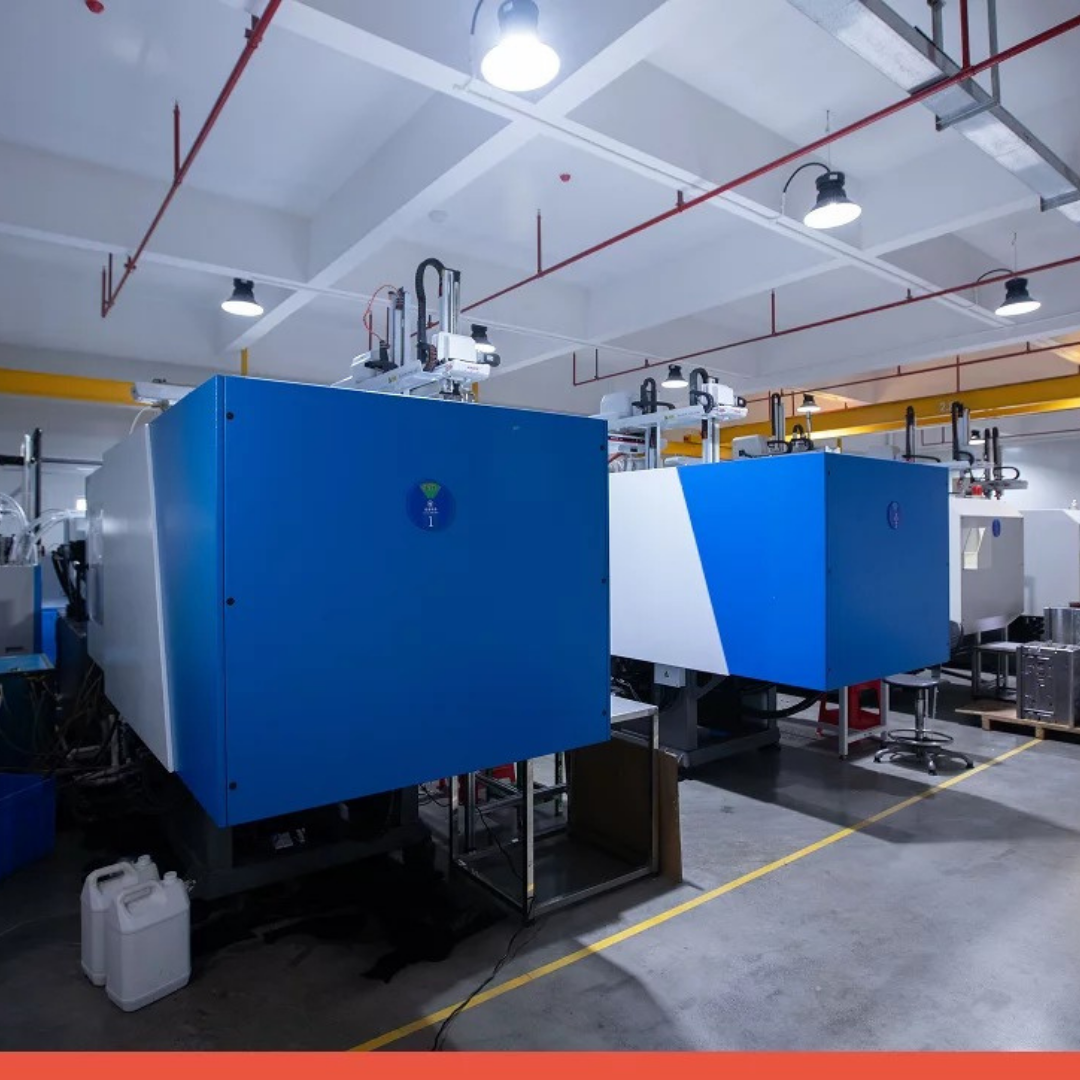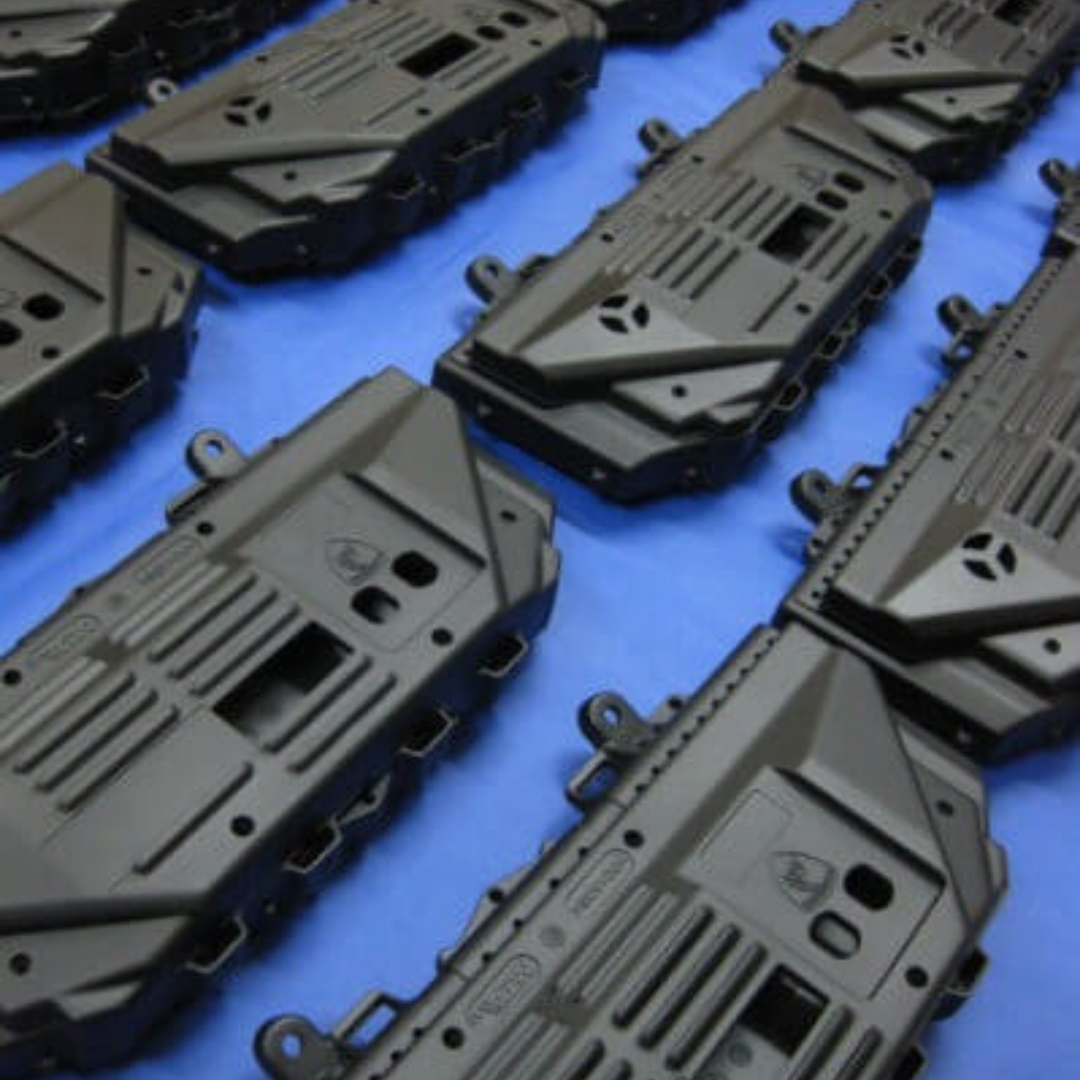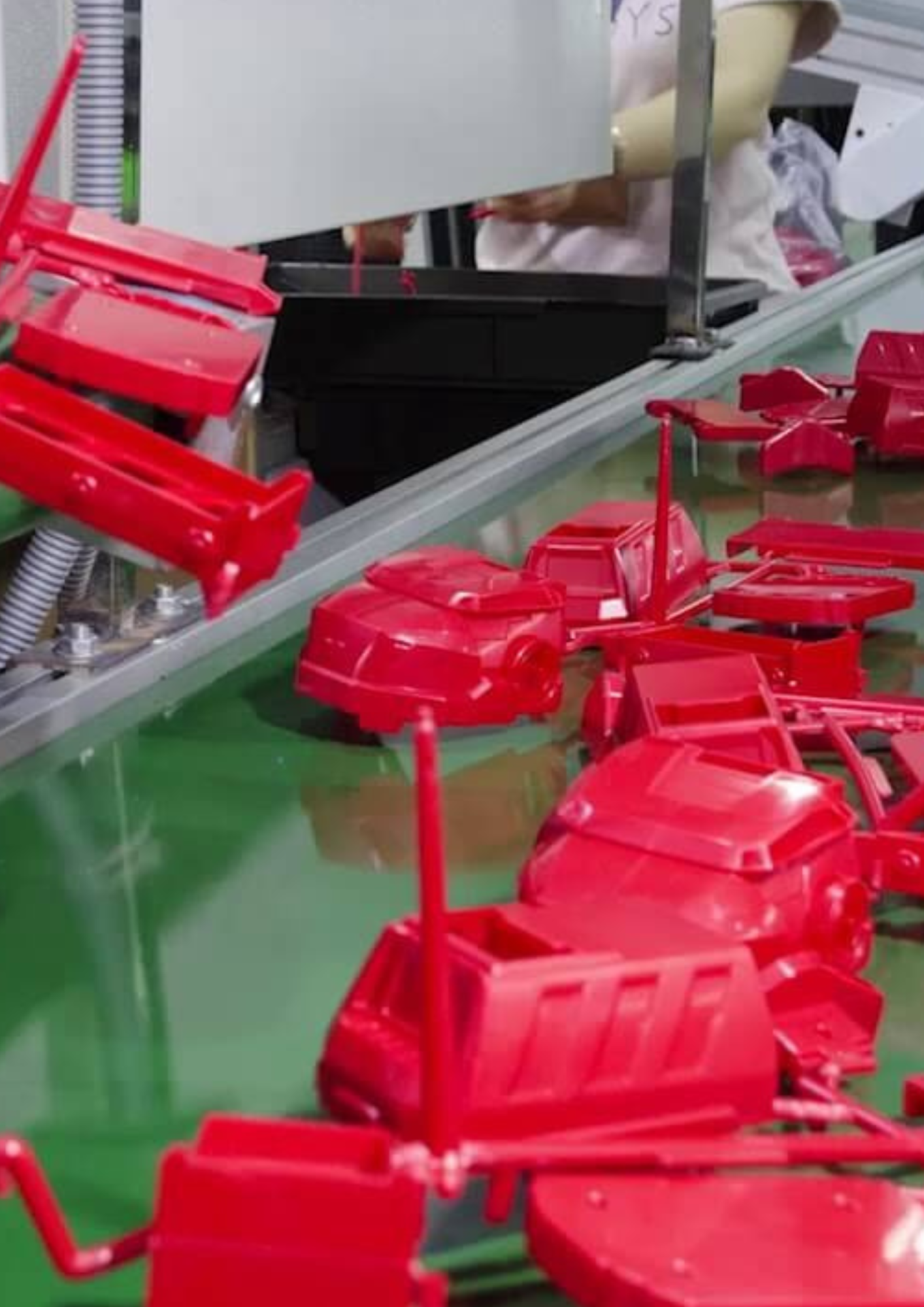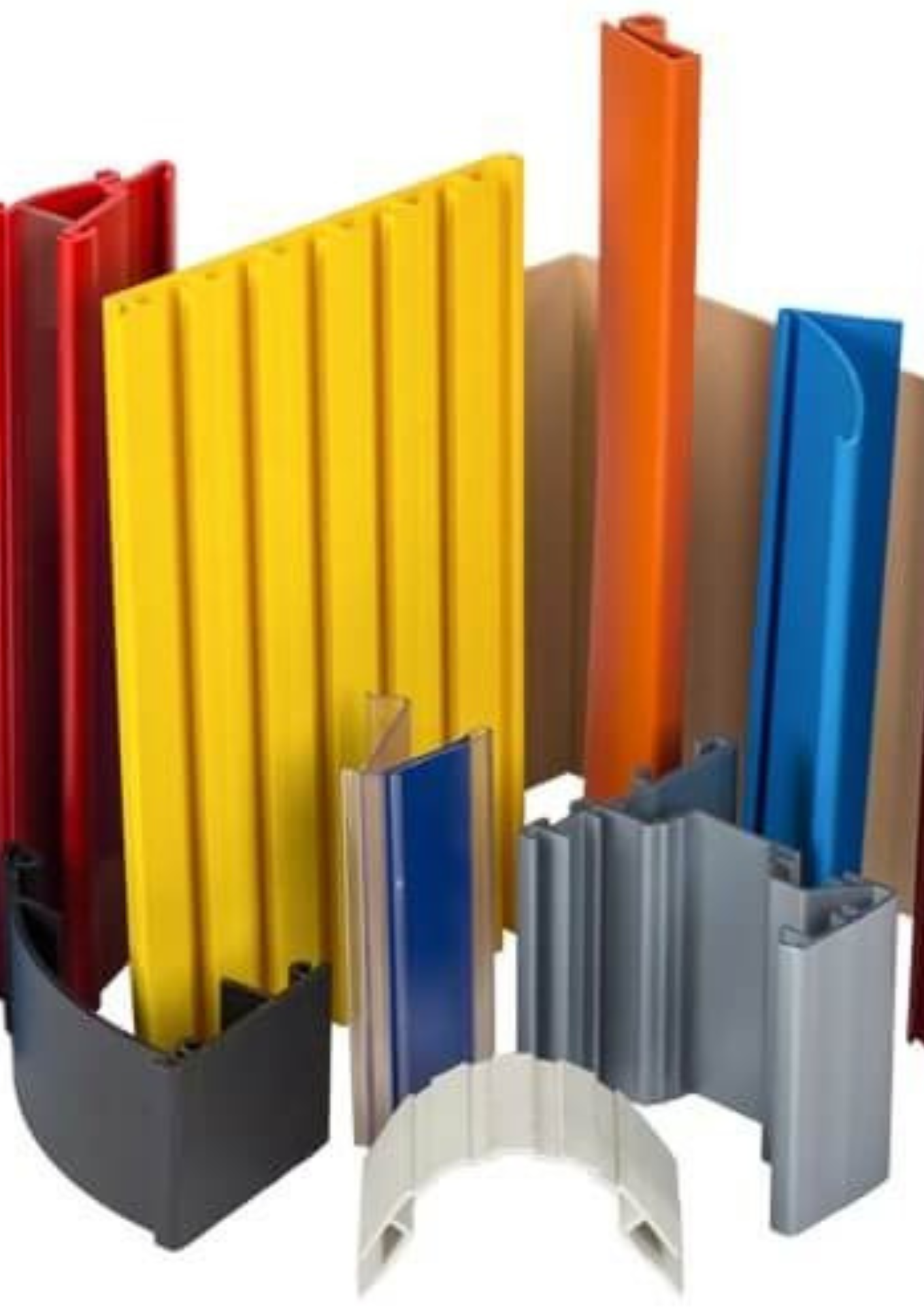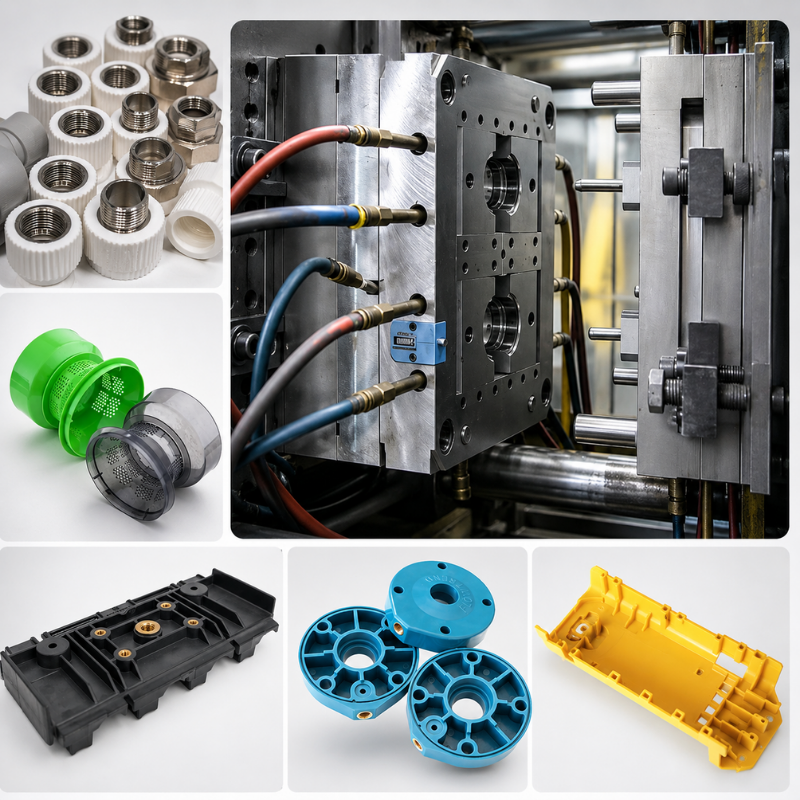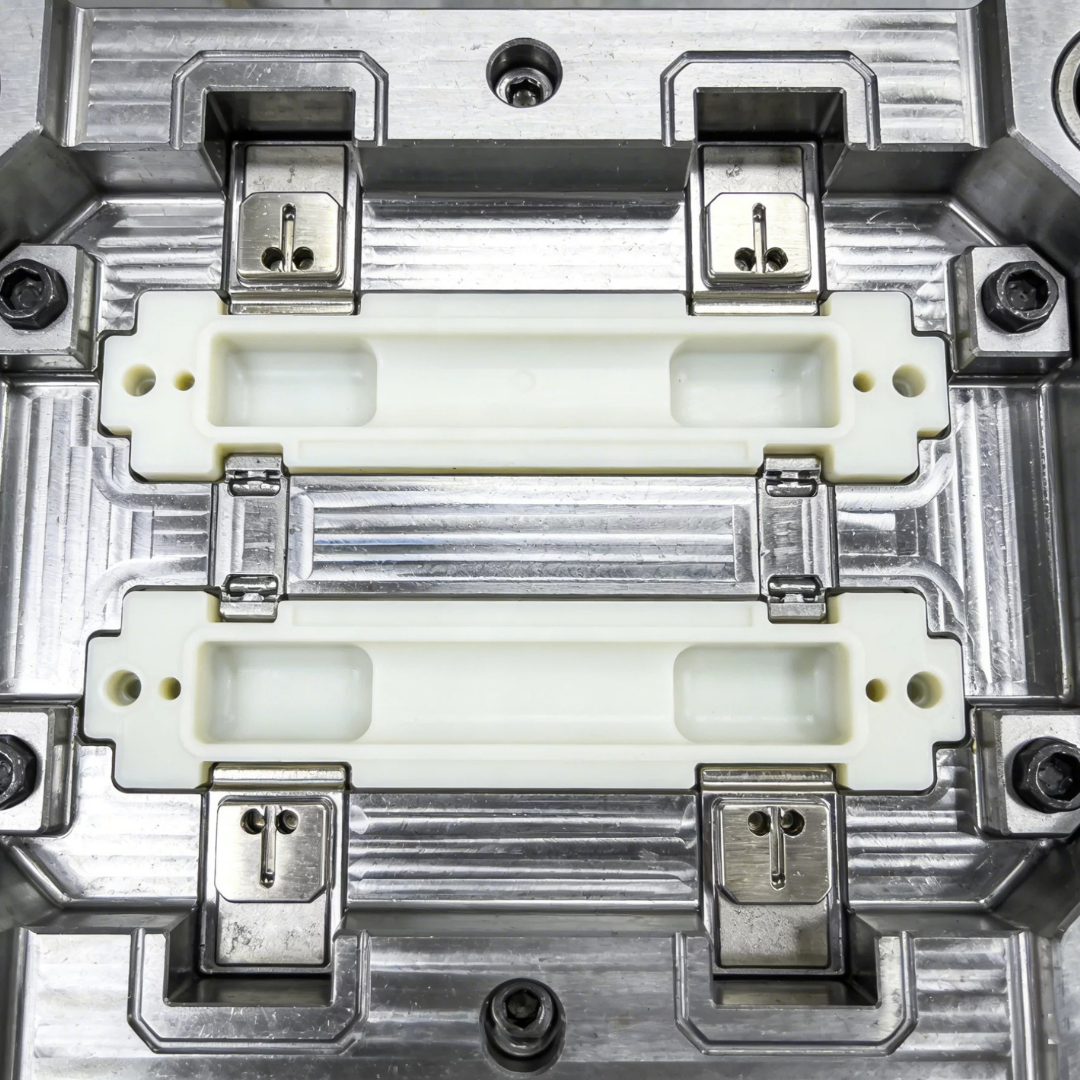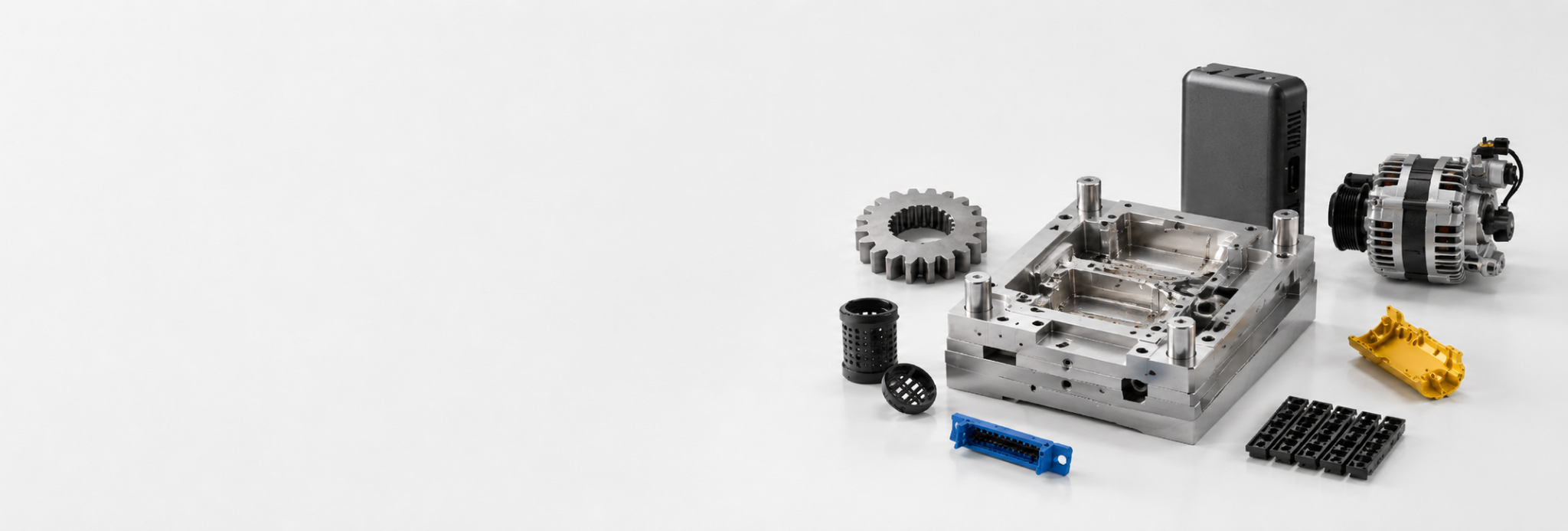
When designers, engineers, and businesses develop new products, prototype development and mass production are often the primary focus. However, for projects that require only a limited number of finished parts, low-volume production can be a practical and cost-effective solution.

PJ Precision supports customers who need custom parts or assembled products in flexible quantities for product testing, market validation, pilot runs, early sales, or phased production. By working with an experienced manufacturing partner, customers can obtain the right quantity of parts needed for their projects without committing to full-scale production from the start.

From initial design review and quotation to mold development, sample trials, production, inspection, assembly, and packaging, our team provides support throughout the process. Whether you need a small production run before mass manufacturing or ongoing low-volume production, PJ Precision helps move your project forward with clear communication, quality-focused processes, and reliable manufacturing support.
first_image_ratio = 100

Injection Molding Manufacturing Network

PJ Precision provides custom plastic injection molding services from mold development and sample trials to production and assembly. Based on your drawings, samples, or requirements, we help manufacture plastic parts and finished products with reliable quality and efficient project support.
No Minimum Order Quantity
Cost-efficient aluminum & P20 steel molds
Scalable Production:Upgrade to multi-cavity when demand grows
Engineering-Friendly Changes:Modular inserts for faster design updates

Specialized injection molding services

Injection Mold Tooling
Get high-quality aluminum and steel injection molds customized to your needs. We achieve tight tolerances of 0.0008 in (0.02 mm) and offer free mold flow analysis. Ideal for mass production.  Learn More
Overmolding
Overmolding is a multi-step injection molding process that bonds plastic to another component (substrate), creating an integrated, durable product. Offers color and texture options.
Insert Molding
A subset of injection molding techniques where combines engineering plastics with pre-placed inserts in the mold cavity. It eliminates the need for fasteners.
1/3

Advantages of Low-Volume Manufacturing

Are you wondering how low-volume manufacturing can help your product go from concept to completion? There are a number of advantages to using this service that you may not know about. Here are the most prominent benefits
By producing a small-run of parts or products, you will gain rapid access to emerging markets before the competition.
Compared to full-scale production, low-volume manufacturing will reduce the cost of tooling without requiring any minimum orders.
Low-volume manufacturing enables you to shorten overall production lead times, saving you time and energy when it comes to product development.
If there’s an encounter with shorter product life styles, low-volume manufacturing allows you to respond quickly and iterate parts in a more optimal way.
Lower exposure to unnecessary financial expenditure, keeping you from breaking the bank on high-volume production.
Lastly, the quick turnaround that comes with low-volume manufacturing also allows for faster design changes, reducing costs and overall production time.
By producing a small-run of parts or products, you will gain rapid access to emerging markets before the competition.
Compared to full-scale production, low-volume manufacturing will reduce the cost of tooling without requiring any minimum orders.
Low-volume manufacturing enables you to shorten overall production lead times, saving you time and energy when it comes to product development.
If there’s an encounter with shorter product life styles, low-volume manufacturing allows you to respond quickly and iterate parts in a more optimal way.
Lower exposure to unnecessary financial expenditure, keeping you from breaking the bank on high-volume production.
Lastly, the quick turnaround that comes with low-volume manufacturing also allows for faster design changes, reducing costs and overall production time.
1 / 6

Why Choose PJ Precision for Low-Volume Manufacturing

Additional Plastic Injection Molding Options

Overmolding

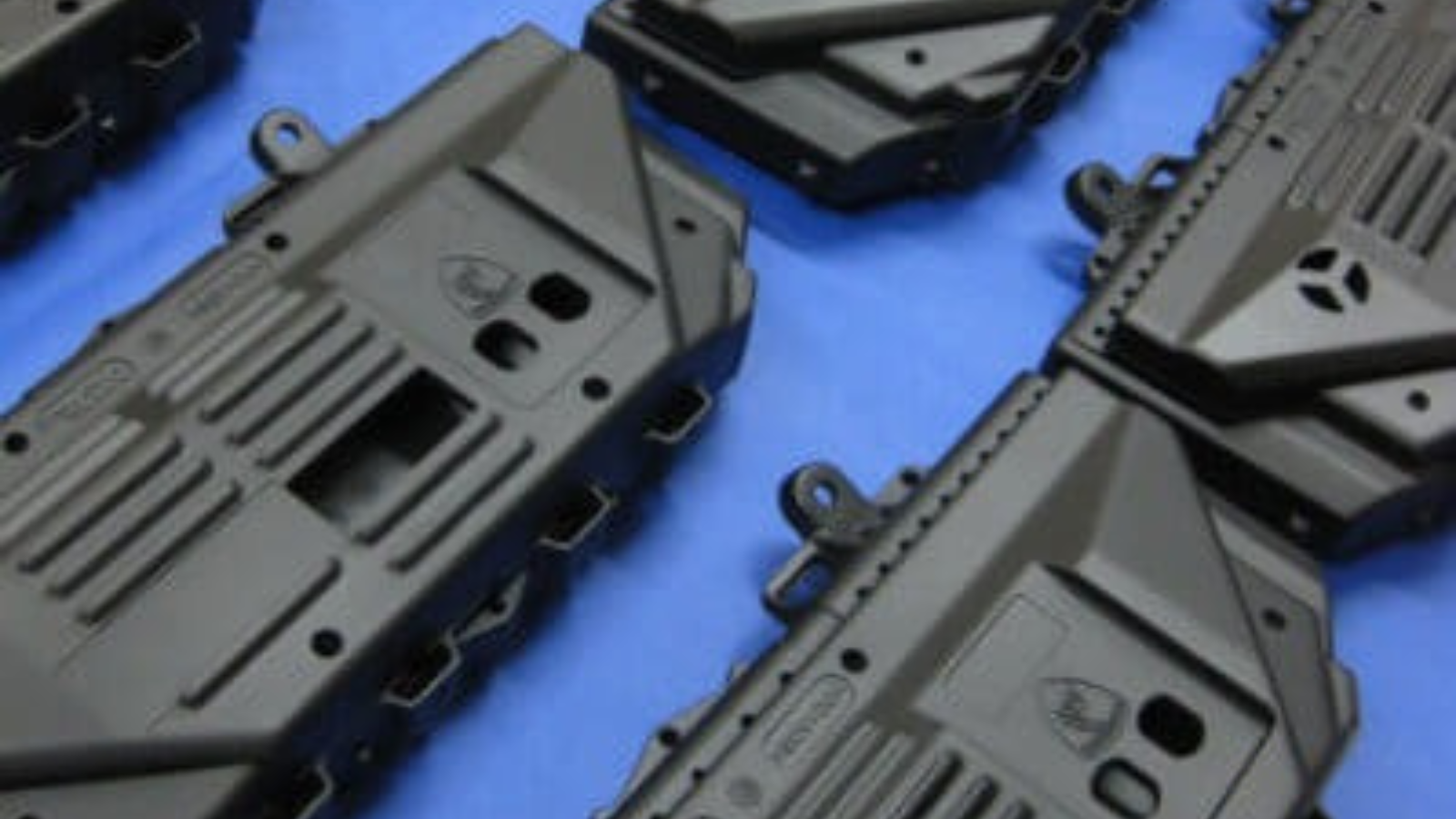
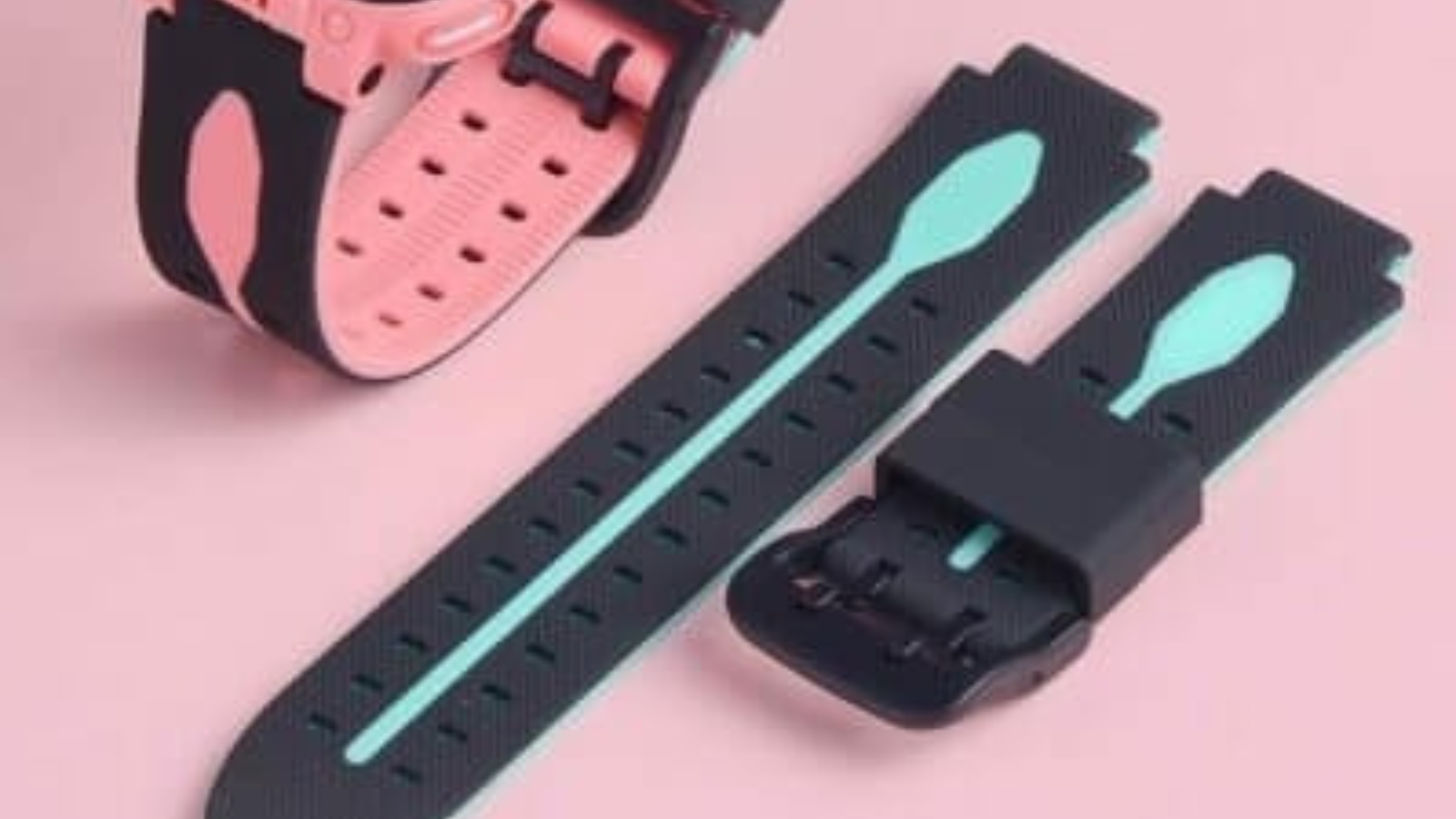
Overmolding is a form of custom plastic injection molding during which the plastic injection molding company creates a part from multiple materials. The process adds an injection molded layer of material over an existing injection molded workpiece, producing chemically bonded parts made from multiple materials.

The overmolding process can be used to build layered parts from scratch or to add a resistant outer layer to existing plastic parts and tools, providing a more rugged exterior. Toothbrushes consisting of a solid plastic body and rubberized grip are a common example of an overmolded product.
Insert Molding

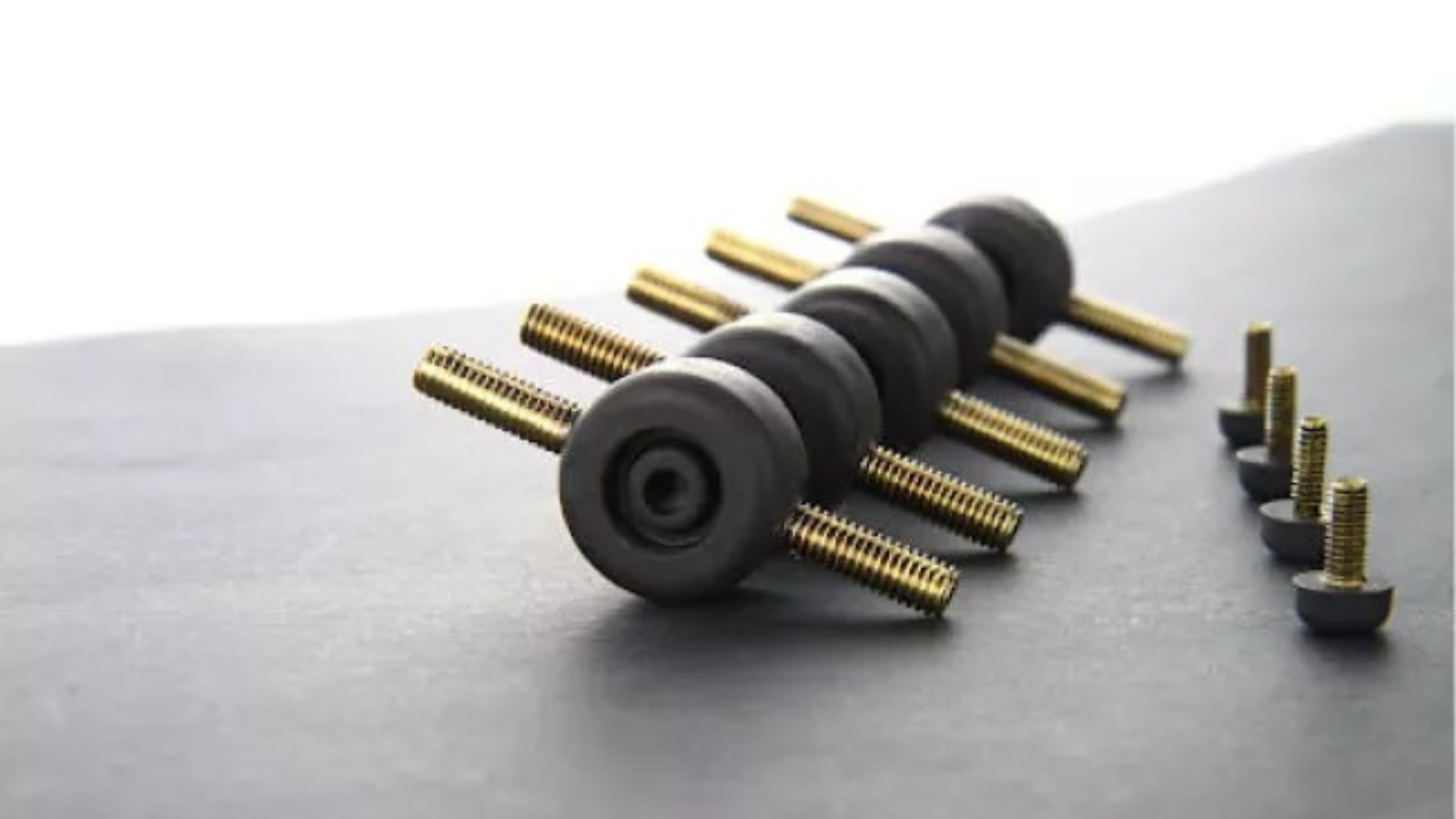
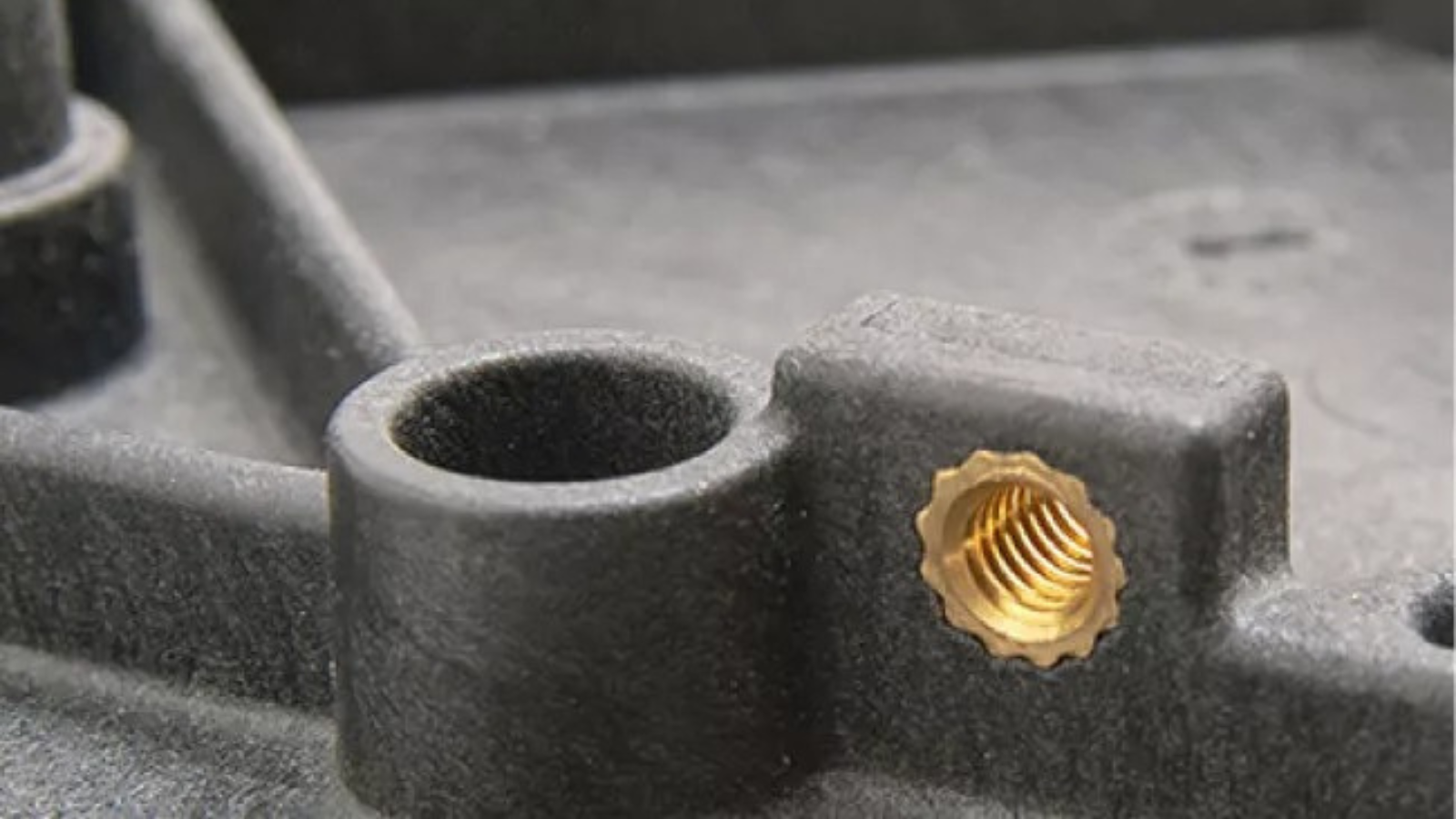
Insert molding is similar to overmolding, but the substrate is not necessarily plastic and does not have to be produced via injection molding. For example, insert molding can be used to add a plastic coating to a pre-fabricated metal part like a blade or threaded insert.

Common parts made by insert molding include sharp handheld tools, such as scalpels, which consist of a metal blade partially housed within a plastic handle. Insert molding is also frequently used to create products that incorporate bushings, clips, and fasteners.
Injection Molding Plastic

Our plastic injection molding service supports the manufacture of parts in a range of molding materials. These include rigid plastics like ABS, flexible plastics like TPE, and mixed materials like PC-ABS. We can also obtain specialty materials and create custom material and pigment blends to suit your order.
Rigid plastics
The majority of injection molded parts are made from rigid thermoplastics. These include inexpensive and versatile plastics like ABS and PP, as well as naturally transparent plastics like PC and acrylic and high-strength plastics like POM. Other rigid plastics for injection molding include nylon, PET, and PS.
Flexible Plastics
Flexible plastics can be used to make soft or bendy injection molded parts that behave like thermoset elastomers. The most common materials in this category are TPE, which is available in a wide range of hardnesses, and TPU, which is a firm and durable type of TPE. Another option for flexible moldings is LDPE, which also offers good chemical resistance.
Blends
Because injection molding uses plastic pellets as feedstock, plastic injection molding companies can easily mix blends of different materials (and color pigments). Common blends include PC-ABS, which offers excellent toughness and heat resistance, and PS-PPE, which is exceptionally ductile with good impact resistance.
Composites
Injection molding pellets can also be mixed with non-plastics, leading to composite injection molding materials. Such composites include glass-filled polyamide, which is very hard and strong with good creep resistance, and glass-filled polycarbonate, which offers high strength and stiffness with low thermal expansion.

Plastic Injection Molding Finishes

The most convenient way to apply surface finishes to moldings is to perform any necessary finishing on the metal mold. In this way, we can give the moldings different surface finishes such as matte, high-gloss, and various textures. Secondary finishes — applied to the finished moldings — are also an option.
Matte
Plastic injection molding companies like PJ Precision can give a consistent matte finish to plastic injection molded parts — soft grip handles, for example — by carrying out techniques like sandblasting, chemical etching and EDM on the metal mold. The surface roughness of matte moldings typically ranges between 0.40 and 18.00 Ra µm.
Gloss
It is possible to make high-shine molded parts with a gloss finish — electronics housings, for example — using post-processing techniques like sanding, polishing, and diamond buffing. The lowest level of surface roughness for acrylic molded parts is around 0.012 Ra µm.
Texture
In addition to simple matte and gloss finishes, it is possible to add more complex textures to moldings, such as wood grain effect, mottling, curved or straight lines, or diamonds. PJ Precision can add textures and finishes adhering to Mold-Tech (MT) standards, of which there are hundreds, as well as Verein Deutscher Ingenieure (VDI) and Society of Plastics Industry (SPI) standards.
Direct coloring
One of the biggest advantages of plastic injection molding is the ease with which parts can be colored. The most effective way to make color molded parts is to directly mix pigments with the material pellets before injection molding begins.
Secondary operations

Surface texture and coloration are typically controlled by actions taken prior to the injection molding process, but we can also perform a range of secondary operations on the moldings once they have been manufactured. Such operations include:

  • Painting: For adding color to certain sections of the moldings
  • Laser engraving: For adding engraved design or text to the moldings
  • Silk-screening: For adding text, logos, or other visual elements to moldings (best for large surface areas)
  • Pad printing: For adding text, logos, or other visual elements to moldings (best for small or uneven surface areas)
  • Heat staking: For bonding two or more components (including delicate components)
  • Ultrasonic welding: For bonding two or more components
Learn More About Plastic Injection Molding
Project Inquiry
What is plastic injection molding

Plastic injection molding is a manufacturing process mainly used to make plastic parts in large quantities. Used by many industries for a wide variety of parts, plastic injection molding produces more thermoplastic parts per year than any other plastic manufacturing process.

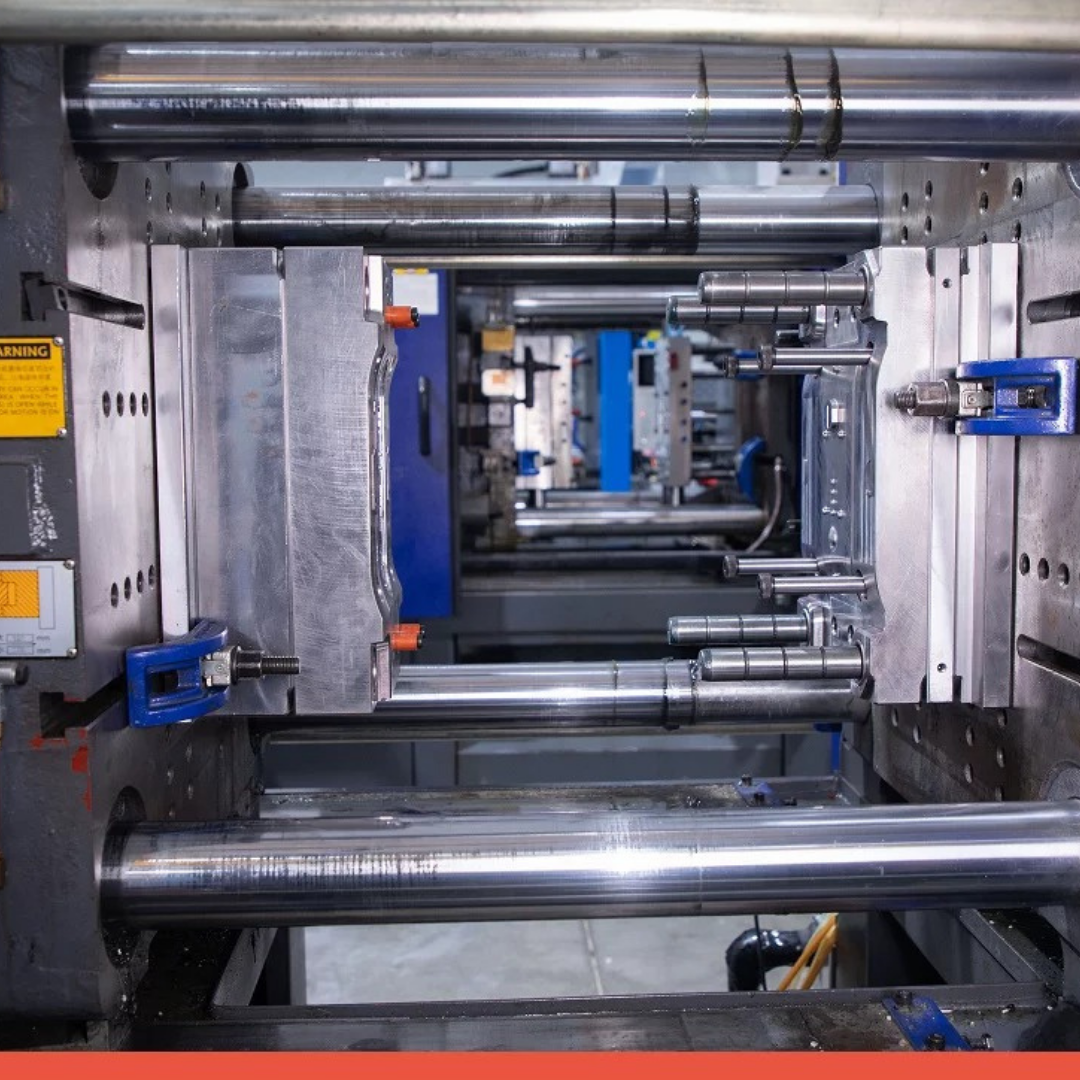
The plastic injection process requires a metal mold and an injection molding machine. Plastic pellets are heated to melting point, then forced into the mold, where the material cools and solidifies, assuming the shape of the mold cavity.

The most common materials for plastic injection molding are thermoplastics such as ABS, nylon, and acrylic. However, it is also possible to mold thermosets and elastomers.

Plastic injection molding can produce parts in a range of sizes, from bottle caps to large automotive panels, but it is best suited to thin-walled parts, because thick sections of molded plastic are more likely to deform as they cool down inside the mold.

How it works

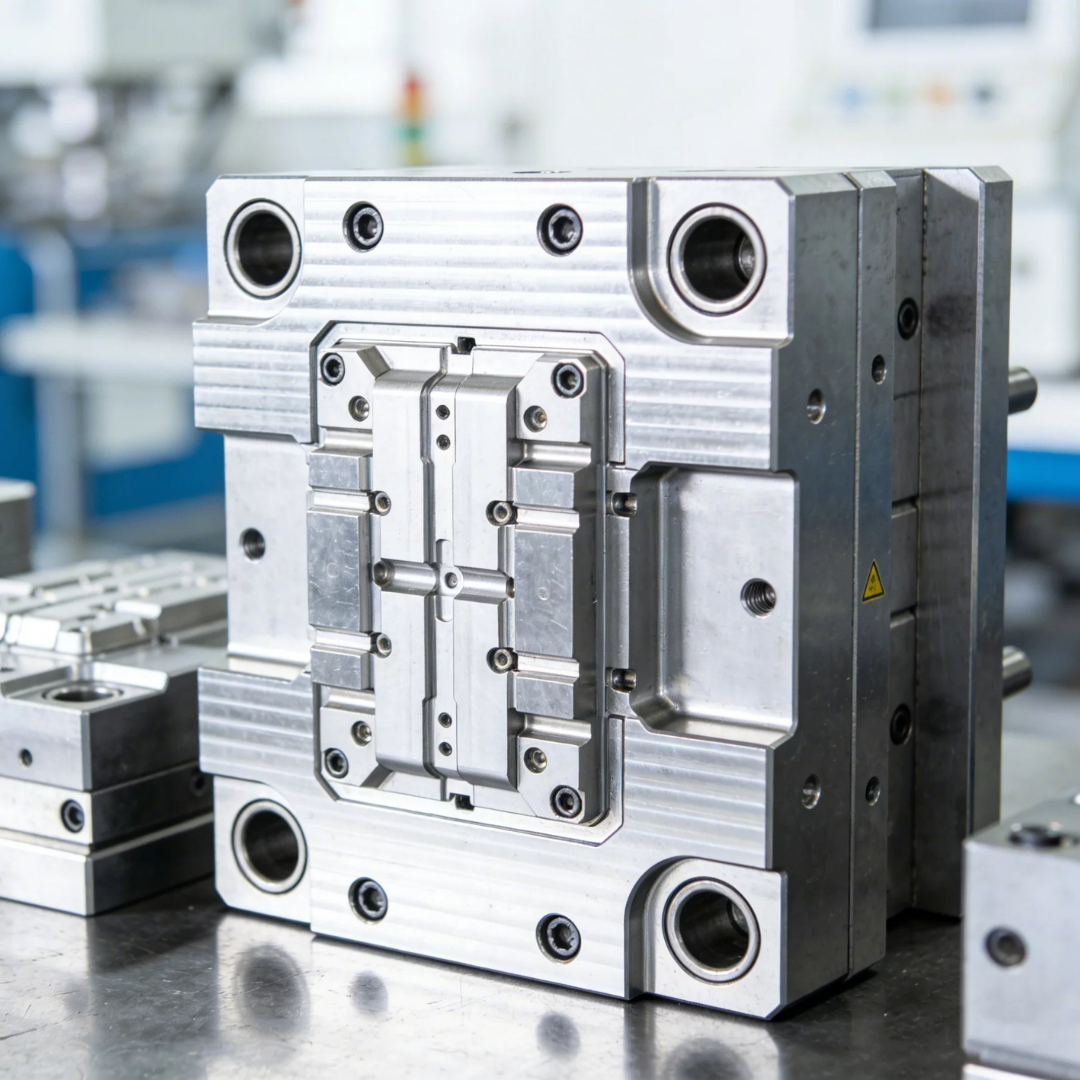
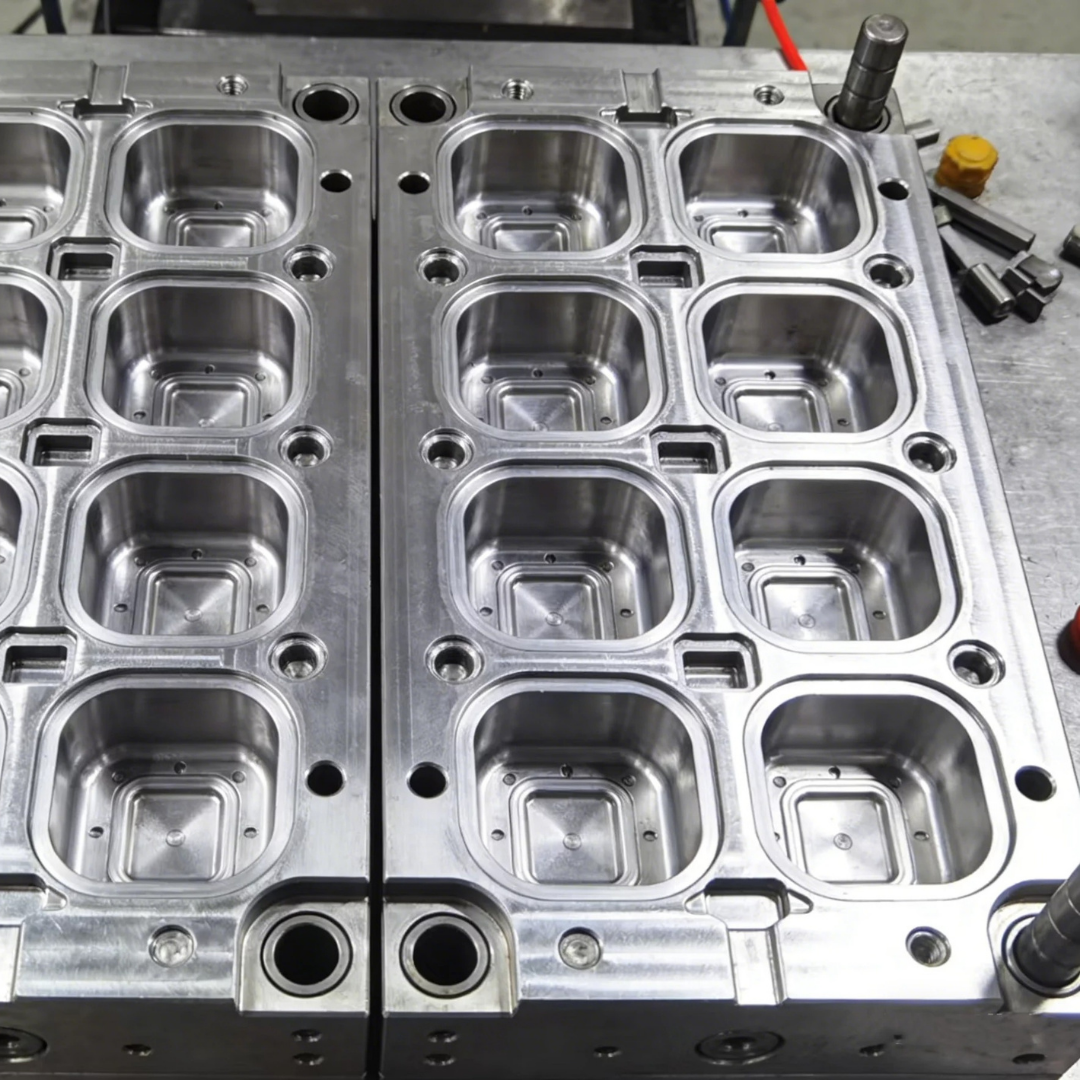
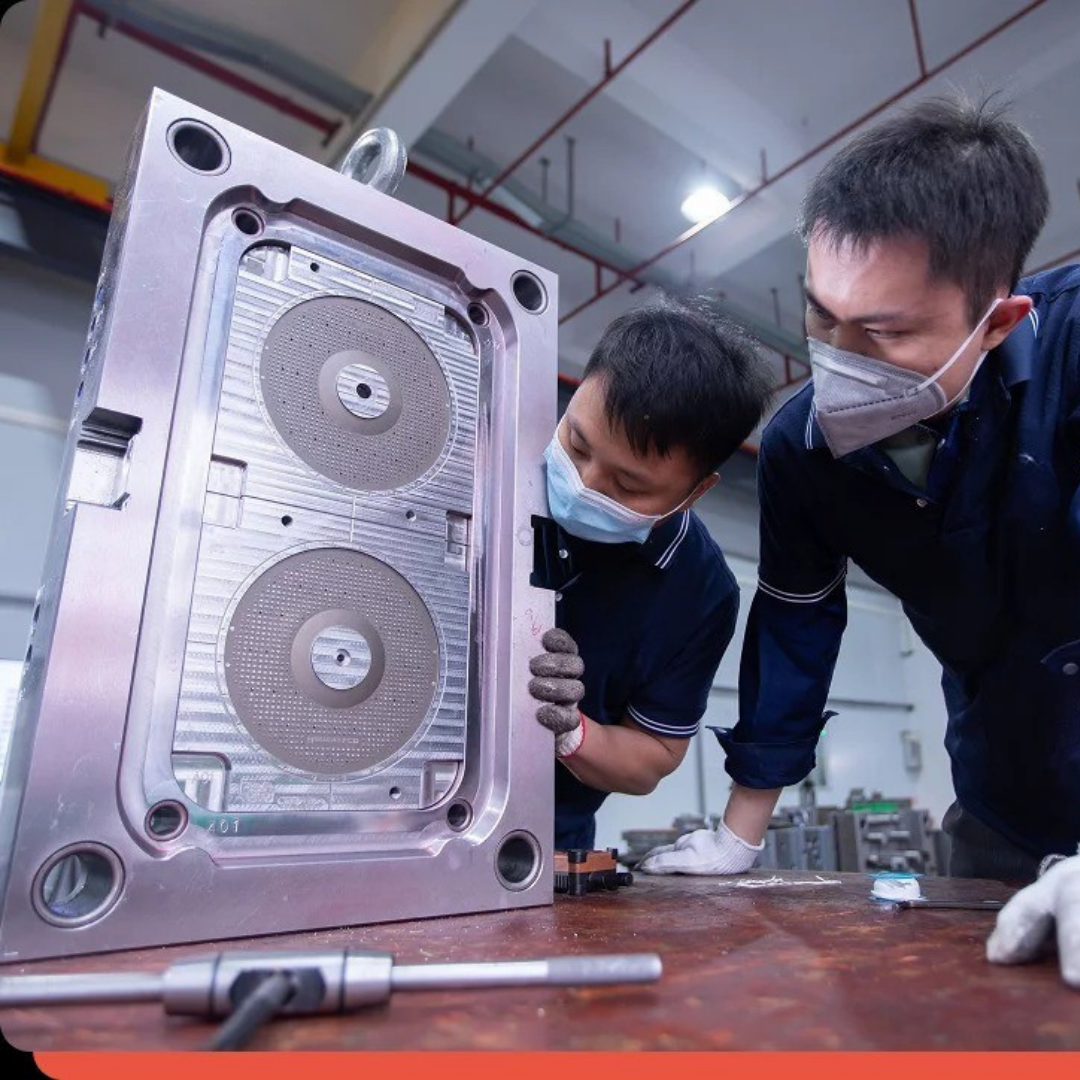
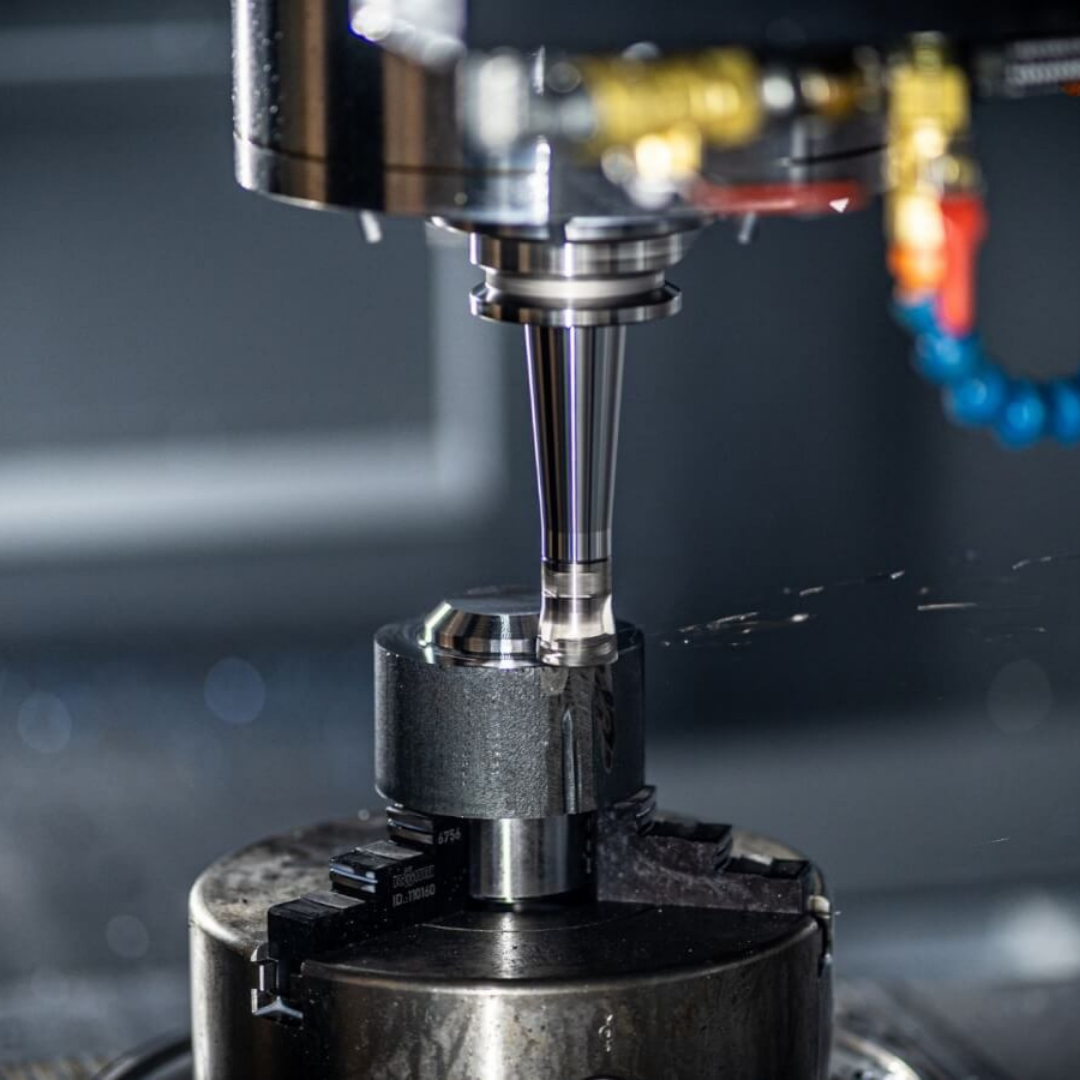
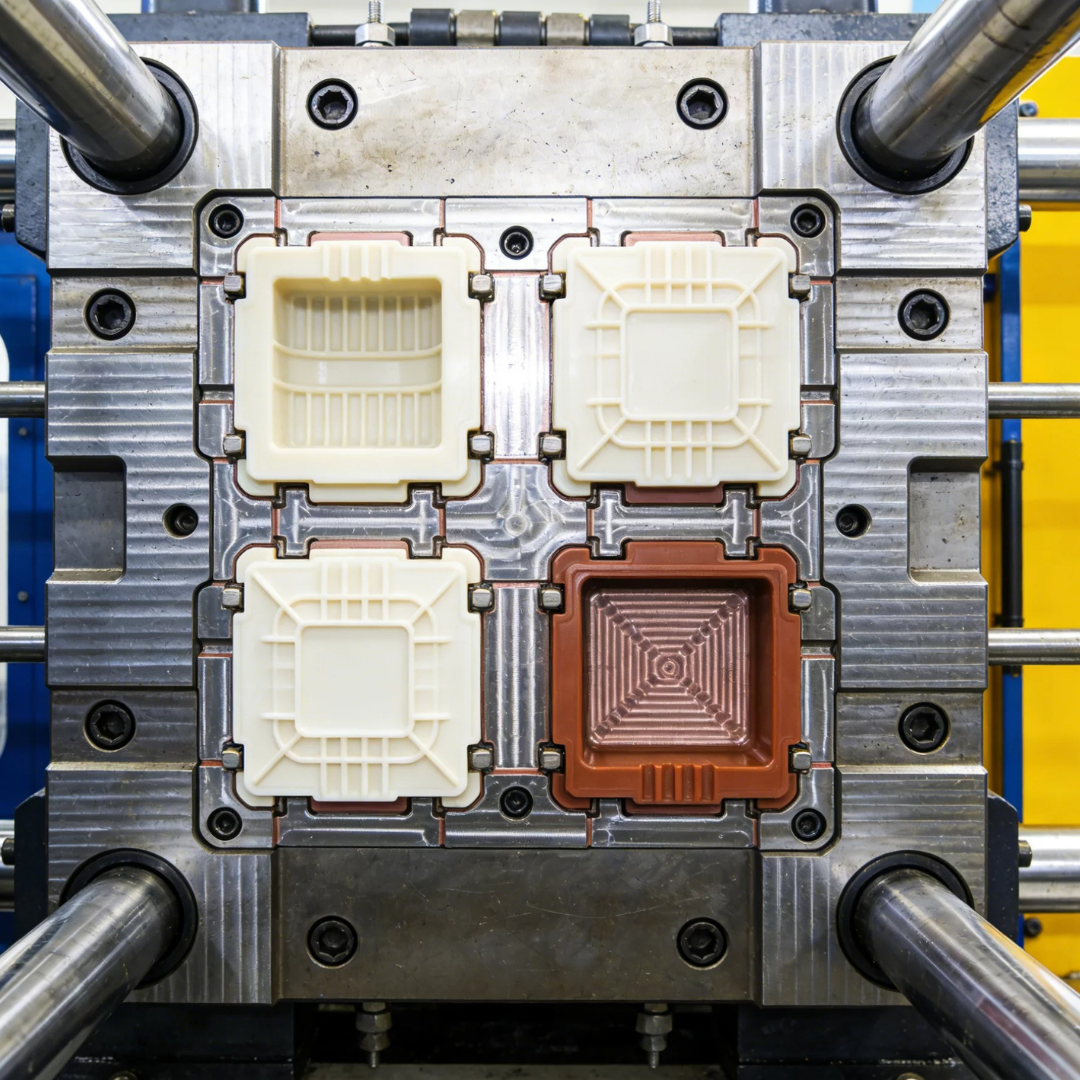
The process begins with the plastic injection molding manufacturer creating a two-part metal mold, typically by precision machining steel or aluminum. An injection mold can last from around 500 to a million injections of plastic, depending on its material and construction.

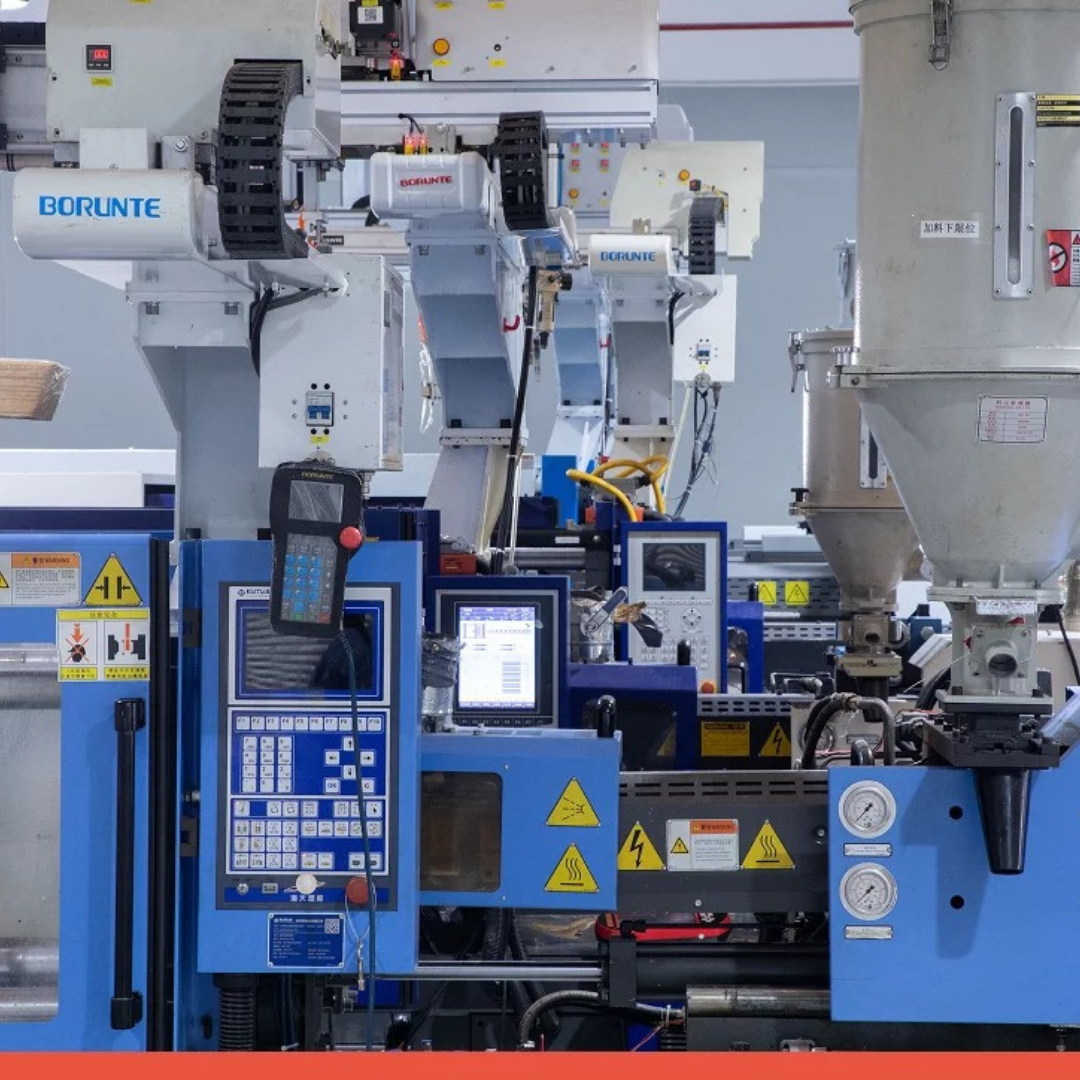
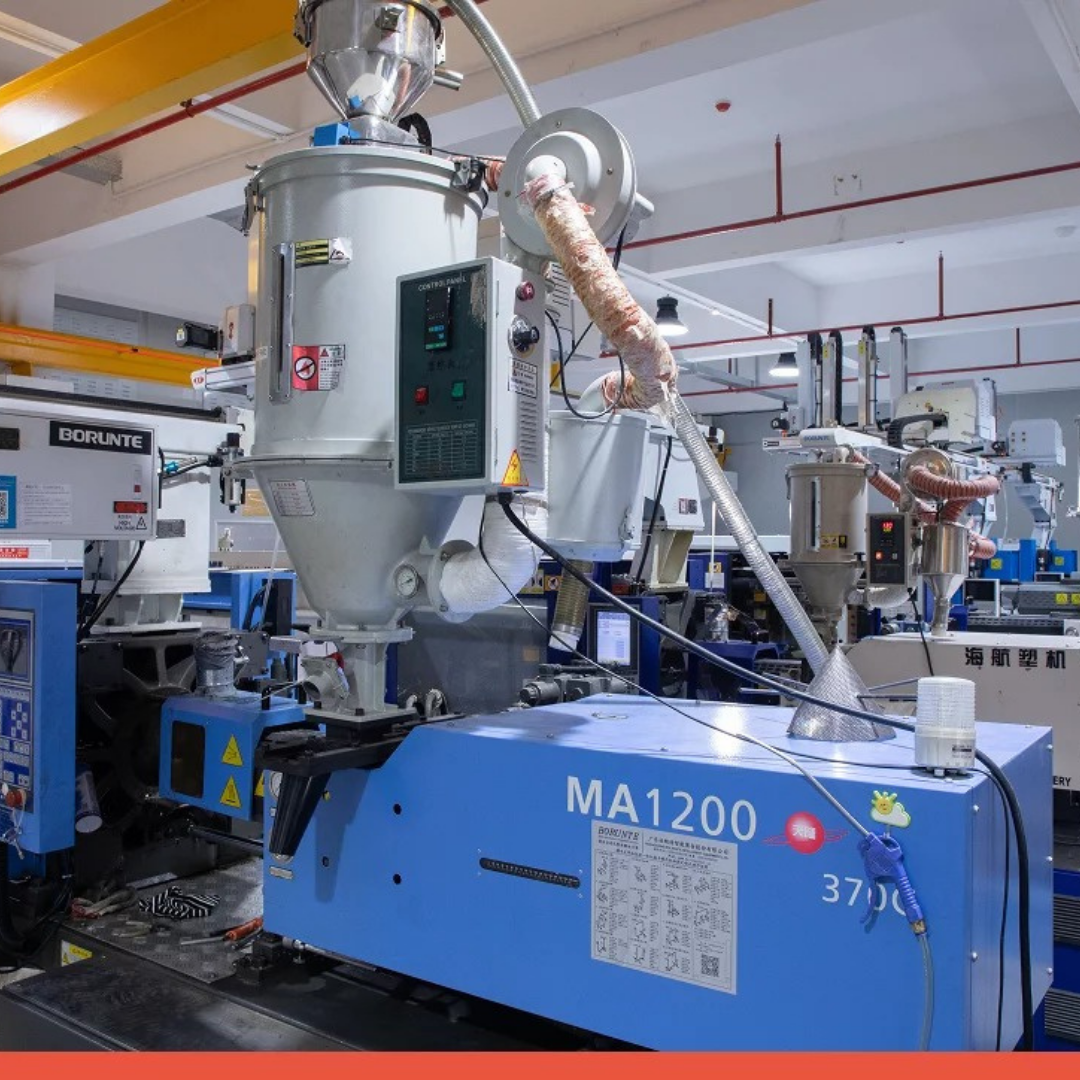
The plastic injection molding company then sets up the tooling in an injection molding machine. The chosen plastic material — in pellet form — is placed in the machine’s hopper, from which it is gradually dispensed into a heated barrel and mixed with a reciprocating screw or auger. The screw is used to force the now-molten plastic toward the nozzle of the barrel. The liquid plastic then exits the nozzle and enters the mold cavity via a sprue and a network of channels called runners.

Once inside the mold, the liquid plastic rapidly cools down and hardens, becoming a solid plastic part shaped like the mold cavity. The mold is opened, and the finished part is taken out of the mold with the aid of ejector pins.

Applications and benefits

Regular users of plastic injection molding services include automotiveaerospaceindustrialmedical, and consumer goods companies. Common plastic injection molded parts include medical devices, automotive panels, food containers, packaging, and toys.

The benefits of using plastic injection molding companies to make molded parts include:

  • Economy of scale: Once the mold has been made, each plastic molding is rapid and inexpensive. Plastic injection molding manufacturers can make tens of thousands of duplicate parts at very low cost.
  • Surface finish: The injection mold can be post-processed to adjust its surface finish: smooth, matt, or whatever texture is required. Each molding from the mold will then come out ready for use, without itself requiring post-processing.
  • Fine details: Because the molten material is injected at high pressure, it reaches every tight corner of the mold cavity. This allows for detailed parts with fine features, even at a very small scale.
  • Strength: Plastic injection molding produces relatively strong plastic parts — stronger than comparable parts built using an FDM 3D printer, for example.
  • Multi-material parts: Using specialist techniques like overmolding and insert molding, it is possible to make custom plastic injection molding parts with components made from different materials.
Injection Molding for a Wide Range of Industries
From automotive to electronics, PJ Precision’s plastic injection molding services provide reliable and cost-effective solutions for custom manufacturing needs across different industries.

Injection Molding FAQ

What plastics can be used for injection molding?

Plastics used in injection molding can be rigid, flexible, or a combination of different materials. This high level of versatility is one of the reasons custom injection molding is widely used across many demanding industries.

Common injection molding materials include ABS, PC, PA (Nylon), PE, PMMA, POM, PEEK, PBT, PP, HDPE, LDPE, PVC, TPE, and other engineering plastics. The right material depends on the product application, mechanical requirements, appearance needs, chemical resistance, heat resistance, and production volume.

What are the four stages of injection molding?

Injection molding is a precise manufacturing process used to produce high-quality plastic parts. The process generally includes four key stages:

1. Clamping
Before the material is injected, the injection molding machine firmly clamps the two halves of the mold together. This is essential to prevent the mold from opening during injection and to ensure that molten plastic does not leak from the mold cavity.

2. Injection
Molten plastic is injected into the closed mold under high pressure. During this stage, the plastic fills the mold cavity, and holding pressure is applied to ensure that every area of the cavity is properly filled.

3. Cooling
After the mold is filled, the plastic begins to cool and solidify inside the cavity. The cooling process must be carefully controlled to reduce defects and help ensure that the part maintains the required dimensions, shape, and mechanical properties.

4. Ejection
Once the part has cooled and solidified, the mold opens and the ejection system pushes the finished part out of the mold. The machine can then begin the next molding cycle.

What is the process for making an injection mold?

Our injection mold manufacturing process generally includes six key steps:

Step 1: Production Planning
We first review and understand all project requirements, then arrange the production details accordingly.

Step 2: DFM Report Analysis
We can provide a detailed DFM (Design for Manufacturability) report to support feasibility analysis. This helps confirm whether the mold design can meet the required specifications, quality expectations, and production needs.

Step 3: Mold Manufacturing
After the design is confirmed, the mold enters production. We can provide customers with a mold production schedule so they can follow the progress throughout the manufacturing cycle.

Step 4: Sample Testing
After the mold is completed, sample parts are produced and provided to the customer for testing and confirmation. This helps ensure that the molded parts meet the required specifications before mass production.

Step 5: Mass Production
Once the customer confirms that the samples meet the required quality and functional standards, full production can begin.

Step 6: Mold Cleaning and Storage
After production is completed and the parts pass quality inspection, the mold will be cleaned and properly stored to help maintain its condition for future production use.

What are the typical tolerances for injection molded parts?

Maintaining proper tolerances is important in injection molding because it helps ensure that parts fit correctly and function as intended.

PJ Precision follows general tolerance requirements based on project needs and applicable standards, such as ISO 2768-c where suitable. For projects with tighter tolerance requirements, we can evaluate the specific application, part structure, material, and production process to determine whether stricter specifications can be achieved.

This flexibility allows us to support precision plastic parts for different applications while helping customers balance part performance, manufacturability, and production cost.

What is your minimum order quantity?

At PJ Precision, we understand that different customers have different project needs. Our injection molding service can support various order sizes, from prototype samples and small-batch production to larger production runs.

In general, larger order quantities can offer better unit pricing because mold setup, production preparation, and machine operation costs are spread across more parts. Whether your project is small or large, our team will review your requirements and provide a suitable manufacturing solution.

How much does your injection molding service cost?

The cost of our injection molding service depends on several factors, including part size, mold complexity, number of cavities, material type, production quantity, tolerance requirements, surface finish, and any secondary processing or assembly needs.

Every project is different, so we provide a customized quotation based on your specific requirements. To receive an accurate estimate, you can send us your drawings, CAD files, samples, or project details. Our team will review the information and provide a detailed quotation based on actual manufacturing requirements.

Can I get prototype parts before full production?

Yes. PJ Precision can support prototype development and sample production before full-scale manufacturing.

Prototype parts allow you to test and verify your design before investing in larger production quantities. This step is important for identifying potential design, fit, function, or appearance issues early in the development process.

By using prototype and sample testing, customers can make necessary adjustments before mass production, helping reduce later-stage risks, save time, and support a smoother transition to full production.

Cart

loading