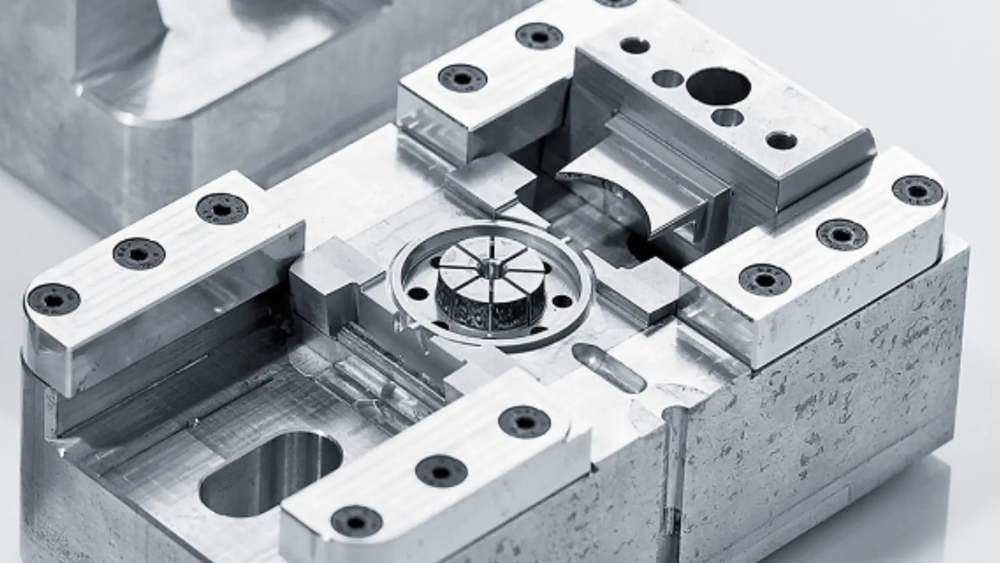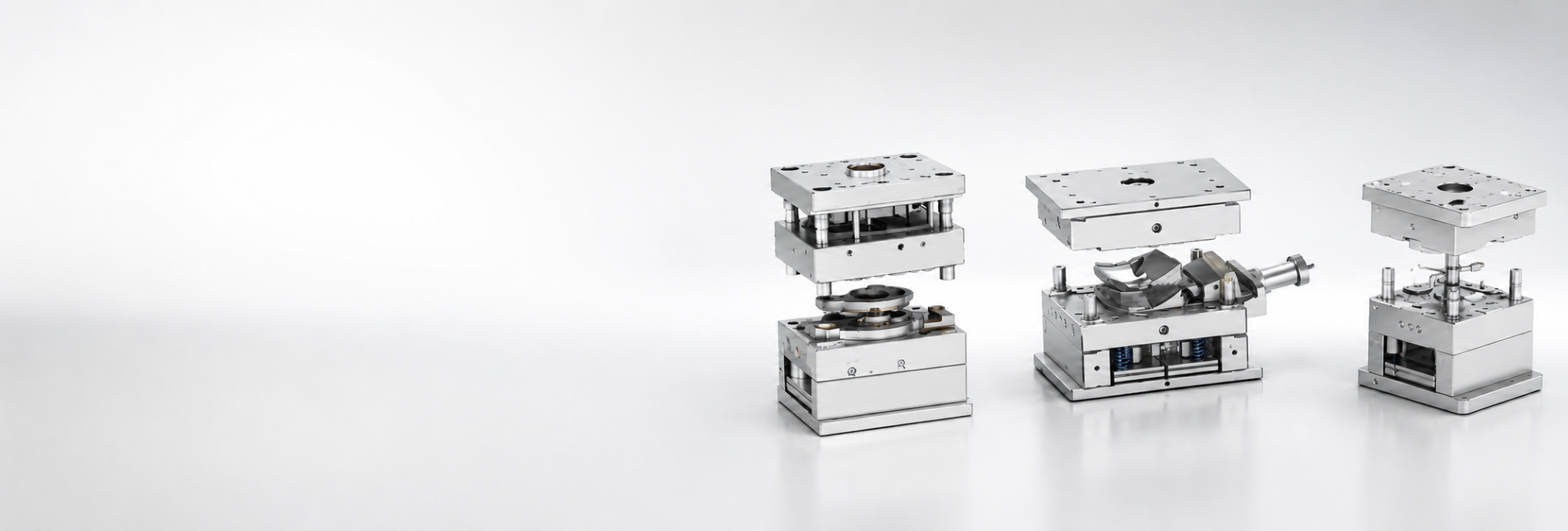
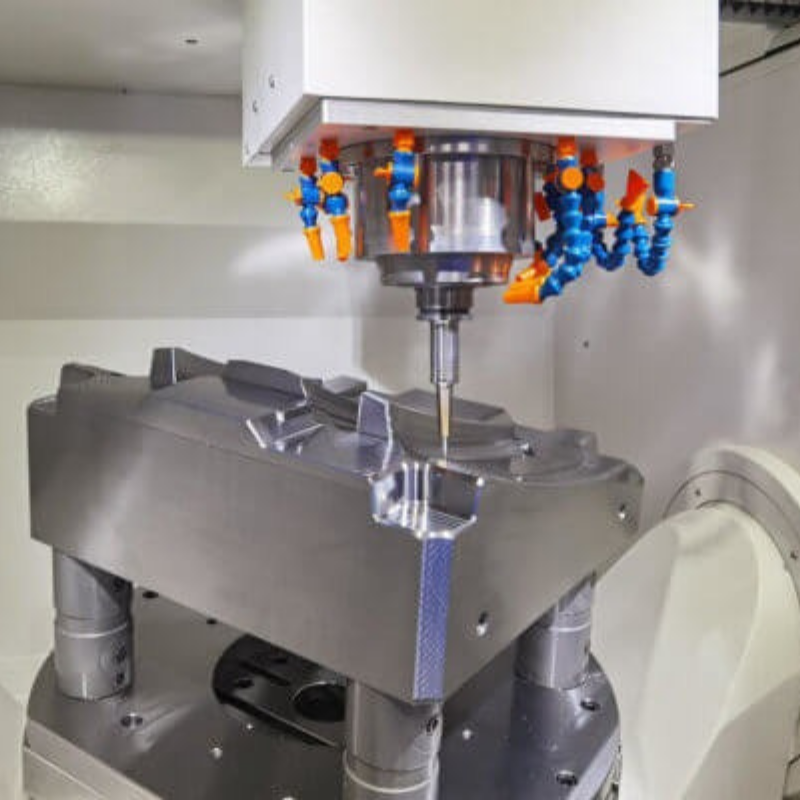
PJ Precision provides custom mold design and mold making services for plastic and rubber products. Based on your drawings, samples, or product requirements, we develop practical mold solutions for prototyping, sample trials, and mass production.
We can supply both cost-effective production molds and high-quality export molds, supporting projects from low-volume prototypes to high-volume production runs with millions of molding cycles.
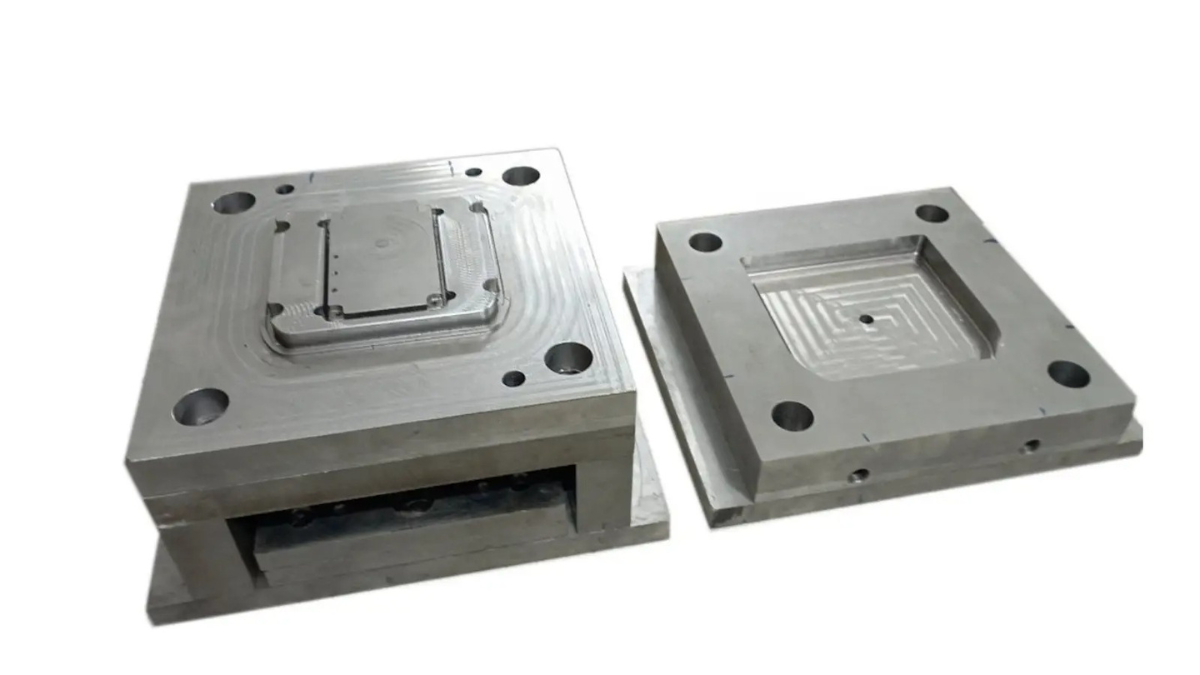
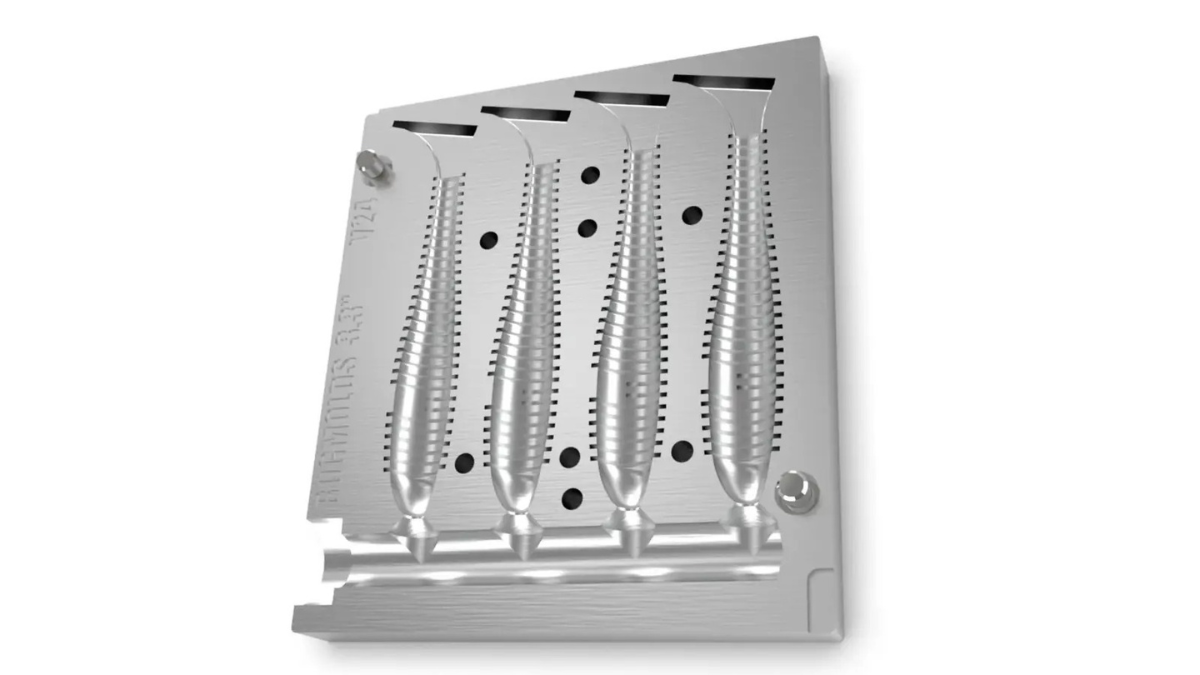
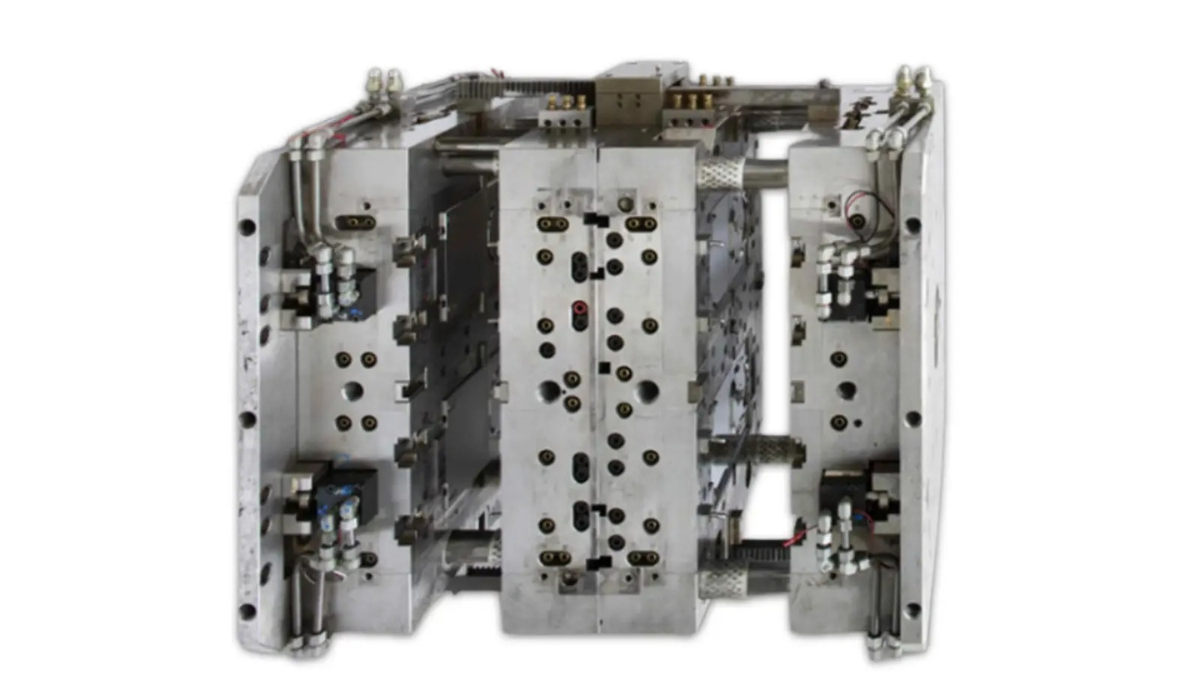
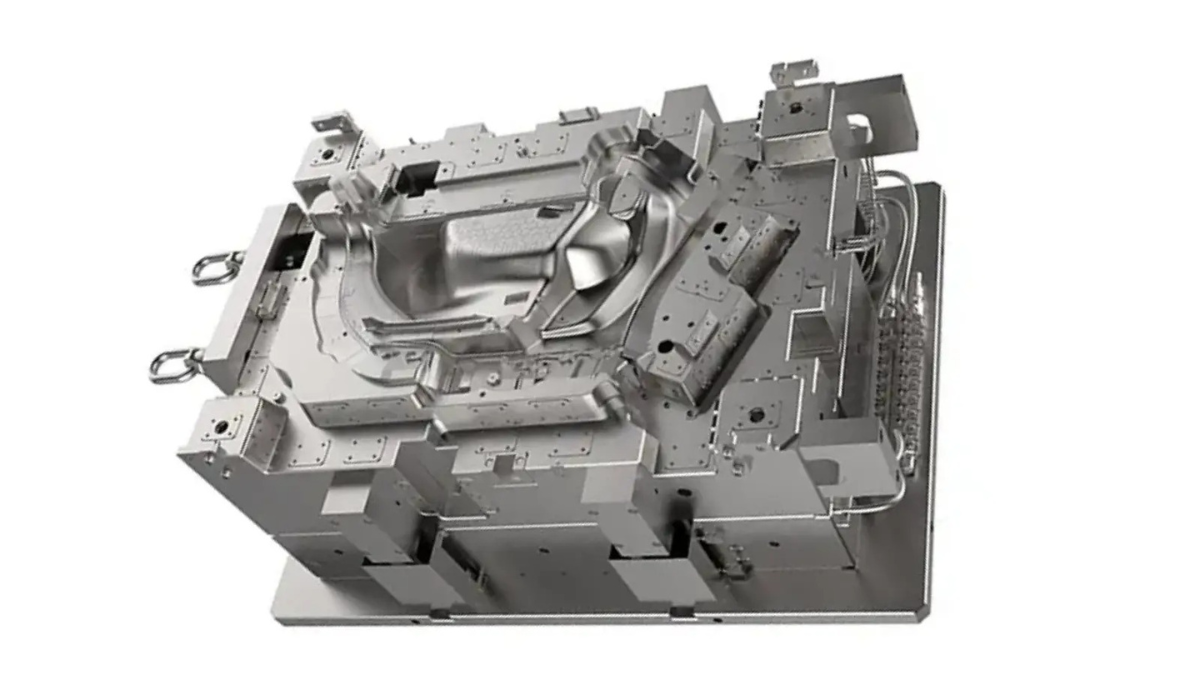
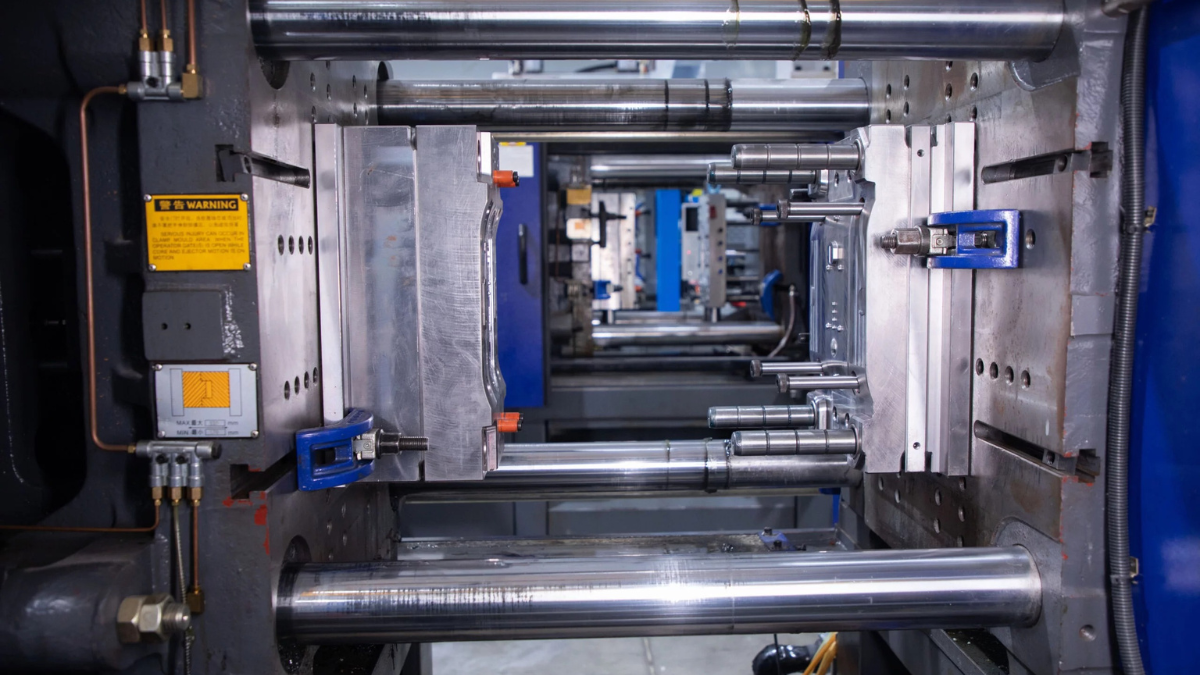






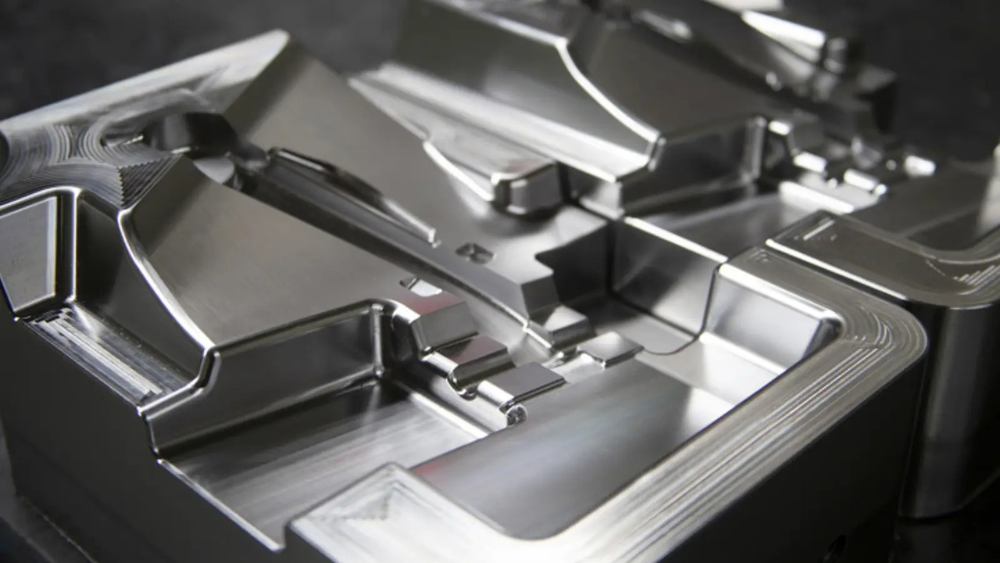
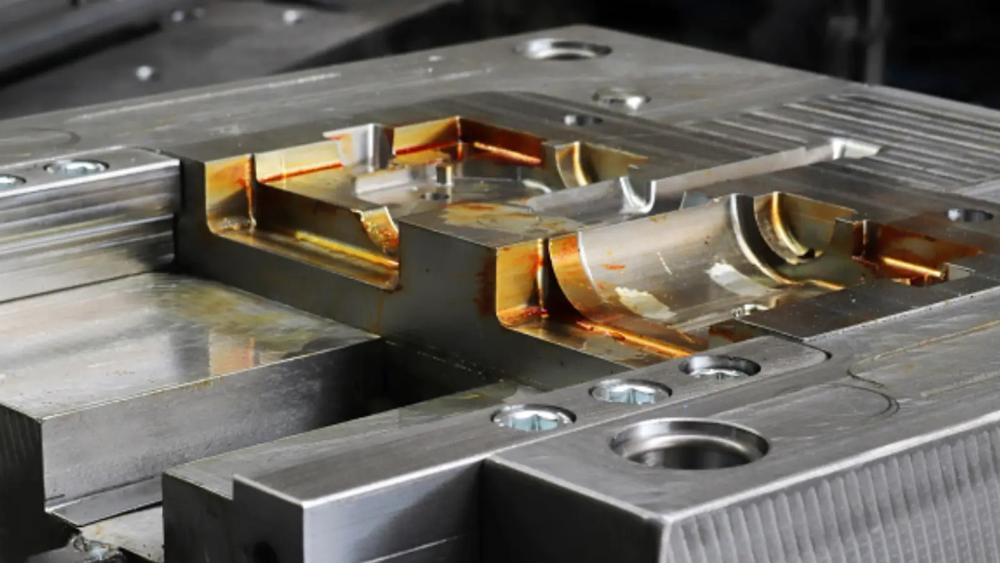
Injection molds can be expensive for several reasons. The cost is not only related to the mold material itself, but also to the design, engineering, precision machining, testing, and long-term production requirements.
Injection molds are usually made from high-quality and durable materials, such as hardened steel or aluminum. Steel molds are generally more expensive, but they are often necessary for high-volume production because of their durability, wear resistance, and long service life.
Mold manufacturing involves precise and labor-intensive processes, including CNC machining, EDM, wire cutting, grinding, fitting, assembly, and sometimes manual polishing. Mold complexity, such as multiple cavities, undercuts, fine details, or complex part structures, can significantly increase the overall cost.
High-precision molds are essential for producing parts with tight tolerances, especially for applications in industries such as automotive, aerospace, medical devices, and precision electronics. Achieving this level of accuracy requires advanced manufacturing equipment, experienced technicians, and careful quality control, all of which increase the total cost.
Injection molds are custom-made for specific products. Each part design has its own structure, material requirements, dimensional tolerances, surface finish requirements, and production goals. Compared with standard or off-the-shelf tooling, a custom mold requires more engineering work and manufacturing preparation, which increases the cost.
Mold development requires detailed design and engineering work to ensure that the mold can withstand the high pressure and temperature of the injection molding process. The design must also consider part geometry, mold flow, cooling channels, gate location, ejector system, shrinkage, and production stability. This requires professional engineering knowledge and practical mold-making experience.
Many factors can affect the design of an injection mold. A well-designed mold must balance product requirements, material behavior, production efficiency, part quality, and long-term manufacturing stability.
The shape, size, and complexity of the molded part have a major impact on mold design. Complex geometries, fine details, thin walls, ribs, bosses, and tight corners may require special mold features, such as optimized cooling channels, advanced gating systems, inserts, lifters, or slides.
The type of plastic resin has a significant impact on mold design because different materials behave differently during injection molding. Material selection affects flow behavior, shrinkage rate, cooling time, mold temperature, and final part performance.
For example, polypropylene usually has a higher shrinkage rate, while polycarbonate often requires higher mold temperatures and careful processing control. If the resin contains glass fiber, flame retardants, or other additives, the mold material must also be selected to resist wear or corrosion.
Parts with tight tolerance requirements need more precise mold design and manufacturing. Higher precision requirements increase mold complexity, machining difficulty, inspection requirements, and overall cost. Mold designers must carefully consider dimensional accuracy, repeatability, and production consistency, especially for automotive, medical, electronic, or precision mechanical applications.
The way a part is ejected from the mold affects both mold design and production cycle time. Ejector pins, stripper plates, air ejection systems, or other ejection methods must be carefully designed to release the part without causing deformation, scratches, stress marks, or damage.
The location and type of gate determine how molten plastic enters the mold cavity. Common gate types include direct gates, pin gates, side gates, edge gates, and submarine gates. Gate design affects material flow, weld lines, surface finish, part strength, appearance, and cycle time.
Parts with undercuts or complex structures may require slides, lifters, side actions, or special ejection mechanisms so that the part can be released from the mold without damage. These features increase mold complexity, manufacturing time, maintenance requirements, and overall mold cost.
Parting line design is also important because it affects the mold structure, appearance of the finished part, flash control, and ease of production.
loading