




Our Quality Control Process

PJ Precision is equipped with advanced in-house measuring and testing equipment. We strictly control quality throughout the entire production process to help ensure that each project meets your requirements.


Our quality assurance process starts with raw material inspection, followed by first article inspection, in-process inspection, final inspection, and testing. A quality report can also be provided before shipment.

PJ Precision is equipped with advanced in-house measuring and testing equipment. We strictly control quality throughout the entire production process to help ensure that each project meets your requirements.


Our quality assurance process starts with raw material inspection, followed by first article inspection, in-process inspection, final inspection, and testing. A quality report can also be provided before shipment.

Material & Design Verification
Before production, our engineering team conducts a technical review of your 3D and 2D drawings to evaluate material selection, geometry, and manufacturing feasibility. Material certification can also be provided if required.
First Article Inspection (FAI)
Before mass production begins, a first article sample will be produced and inspected to confirm that the part fully meets the design and tolerance requirements. A detailed inspection report will be provided to the customer for confirmation.
In-Process Quality Control
Throughout the manufacturing process, PJ Precision follows ISO 9001:2015 quality standards and conducts regular inspections using precision measuring tools. This helps identify and correct deviations in real time, ensuring consistent part quality.
Final Inspection & Documentation
Each component undergoes final inspection before leaving the factory, including checks for dimensions, surface finish, and appearance. All inspection reports and quality documents can be provided before secure packaging and shipment.
Material & Design Verification
Before production, our engineering team conducts a technical review of your 3D and 2D drawings to evaluate material selection, geometry, and manufacturing feasibility. Material certification can also be provided if required.
First Article Inspection (FAI)
Before mass production begins, a first article sample will be produced and inspected to confirm that the part fully meets the design and tolerance requirements. A detailed inspection report will be provided to the customer for confirmation.
In-Process Quality Control
Throughout the manufacturing process, PJ Precision follows ISO 9001:2015 quality standards and conducts regular inspections using precision measuring tools. This helps identify and correct deviations in real time, ensuring consistent part quality.
Final Inspection & Documentation
Each component undergoes final inspection before leaving the factory, including checks for dimensions, surface finish, and appearance. All inspection reports and quality documents can be provided before secure packaging and shipment.
1 / 4

Key Quality Control Equipment

Our quality inspection department uses advanced inspection tools, including height gauges, profile projectors, coordinate measuring machines (CMMs), and Olympus metal analyzers, to carefully inspect each part. This helps us provide high-quality, high-precision prototype parts and precision-machined components for different industries.

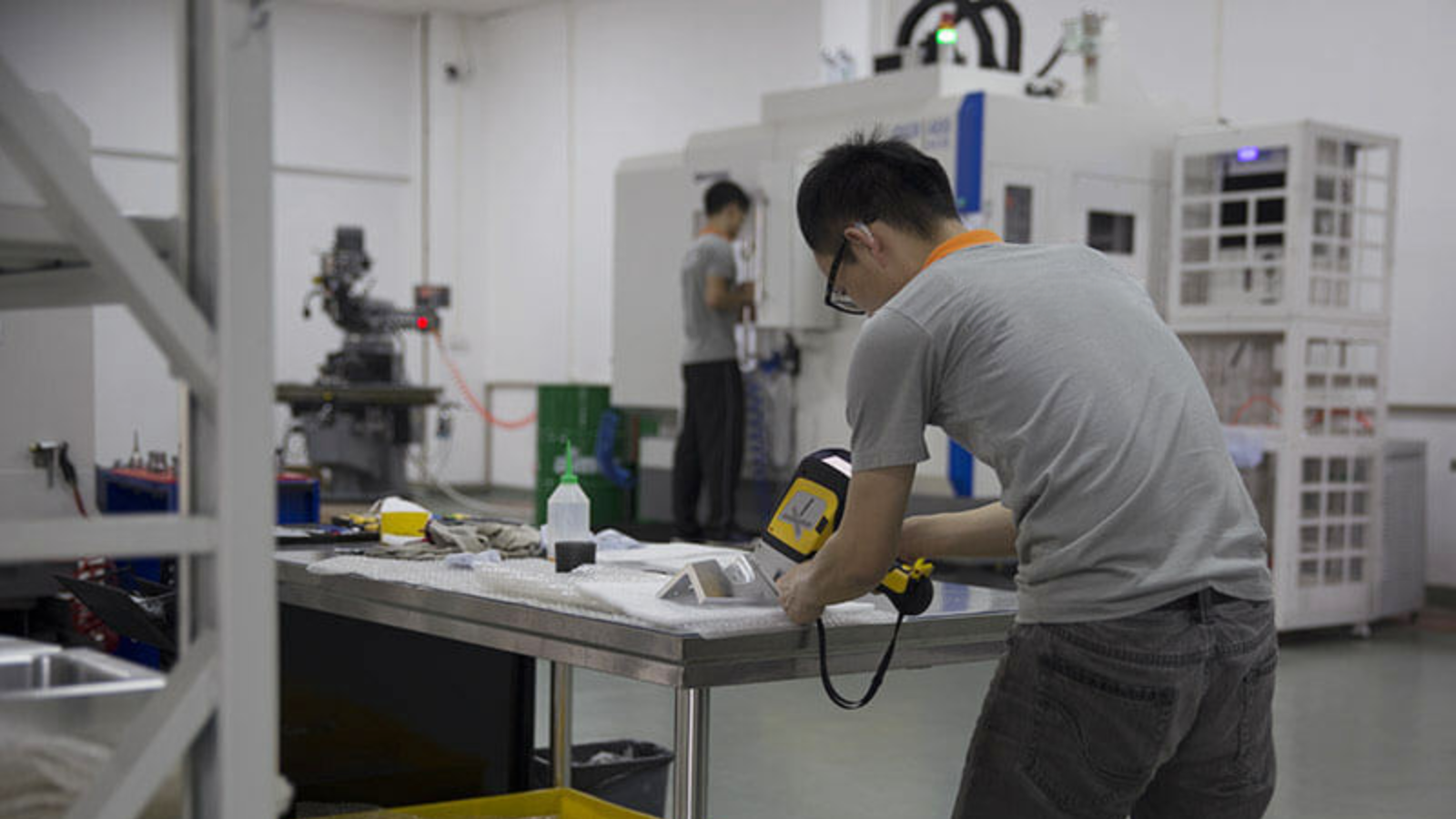
X-Ray Material Analyzer

Sourcing materials from suppliers without proper material certificates can create significant risks. Even when certificates are provided, there is still a possibility of receiving incorrect materials. With an XRF material analyzer, we can quickly identify different metal materials and help ensure that the correct material is used for each project.

If the wrong material is used, customers may not be able to properly test their design. This can lead to serious problems during mass production and may result in additional cost, delays, or product failure. In some industries, testing prototypes made from the wrong material can also create safety risks.

By using material testing equipment, we can verify material types before production, reduce the risk of material errors, and help ensure that prototype parts and production components meet the required material specifications.
On-Machine Inspection System

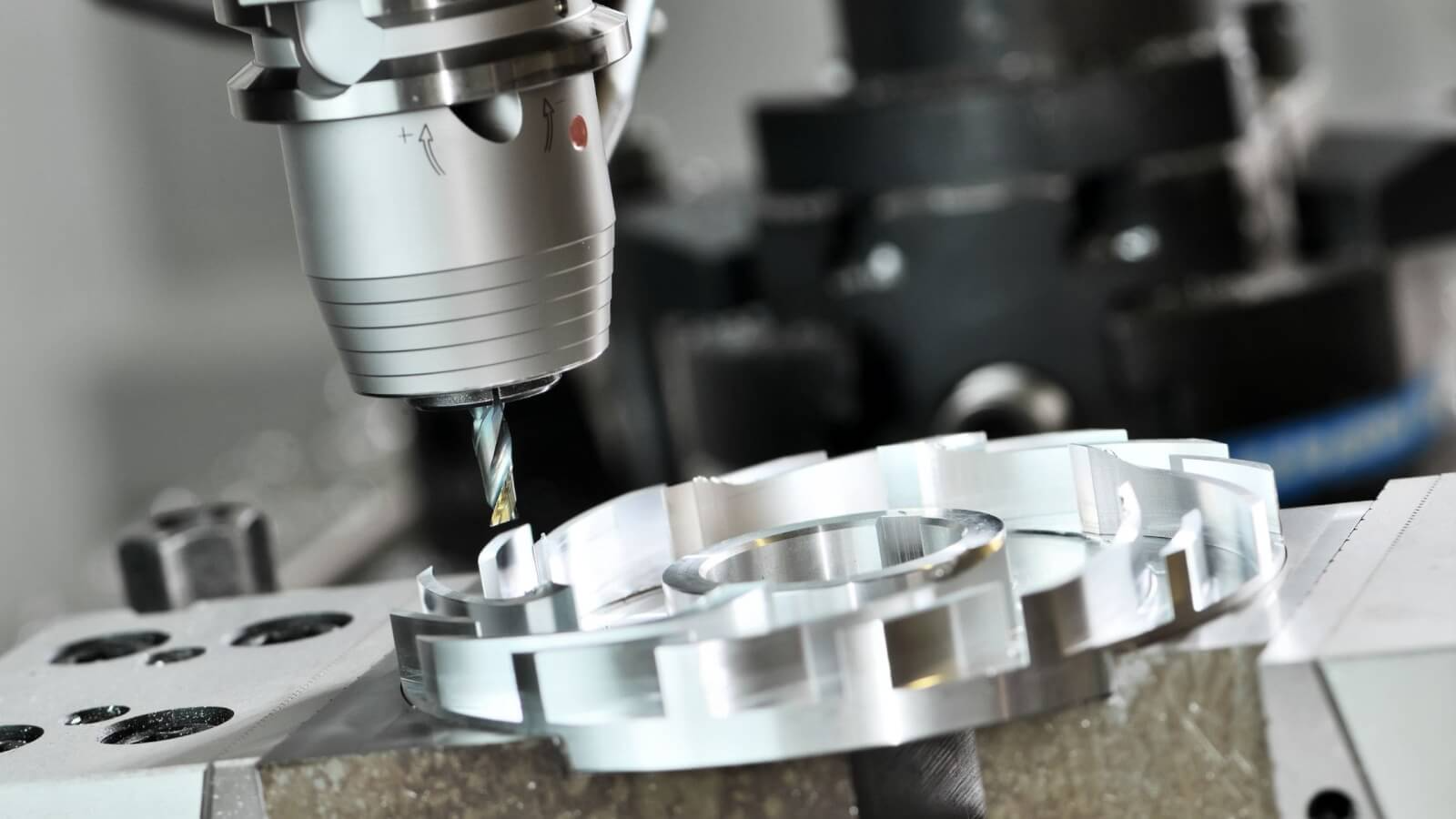
This system helps determine the position of the workpiece on the machine. Compared with manual operation by an operator, it is faster and more accurate.

This is especially important for post-machining die-cast parts or extruded profiles, as these parts may have dimensional variations or deformation issues. With an on-machine inspection system, parts can be checked manually or through preset inspection points. Based on the inspection results, the system can automatically adjust the machining toolpath.

By identifying problems at an early stage, it helps avoid unnecessary downstream operations, saving both time and cost.
Coordinate Measuring Machine (CMM)

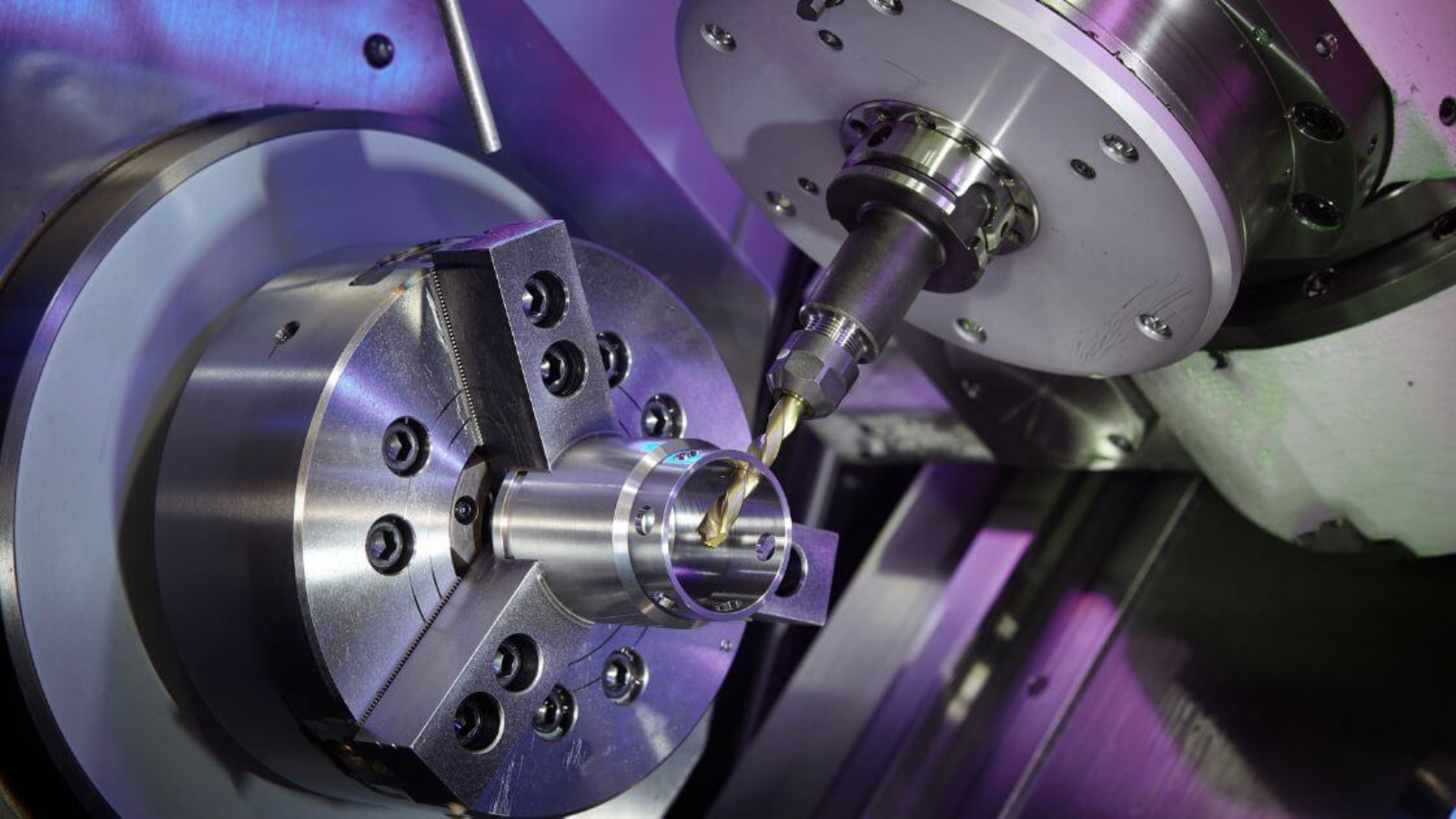
A coordinate is basically defined as a point, which represents a fixed position in three-dimensional space. A series of points can be used to define the parameters of complex shapes.

A Coordinate Measuring Machine (CMM) is a device used to capture these points on a given object with acceptable accuracy and repeatability.
Profile Projector

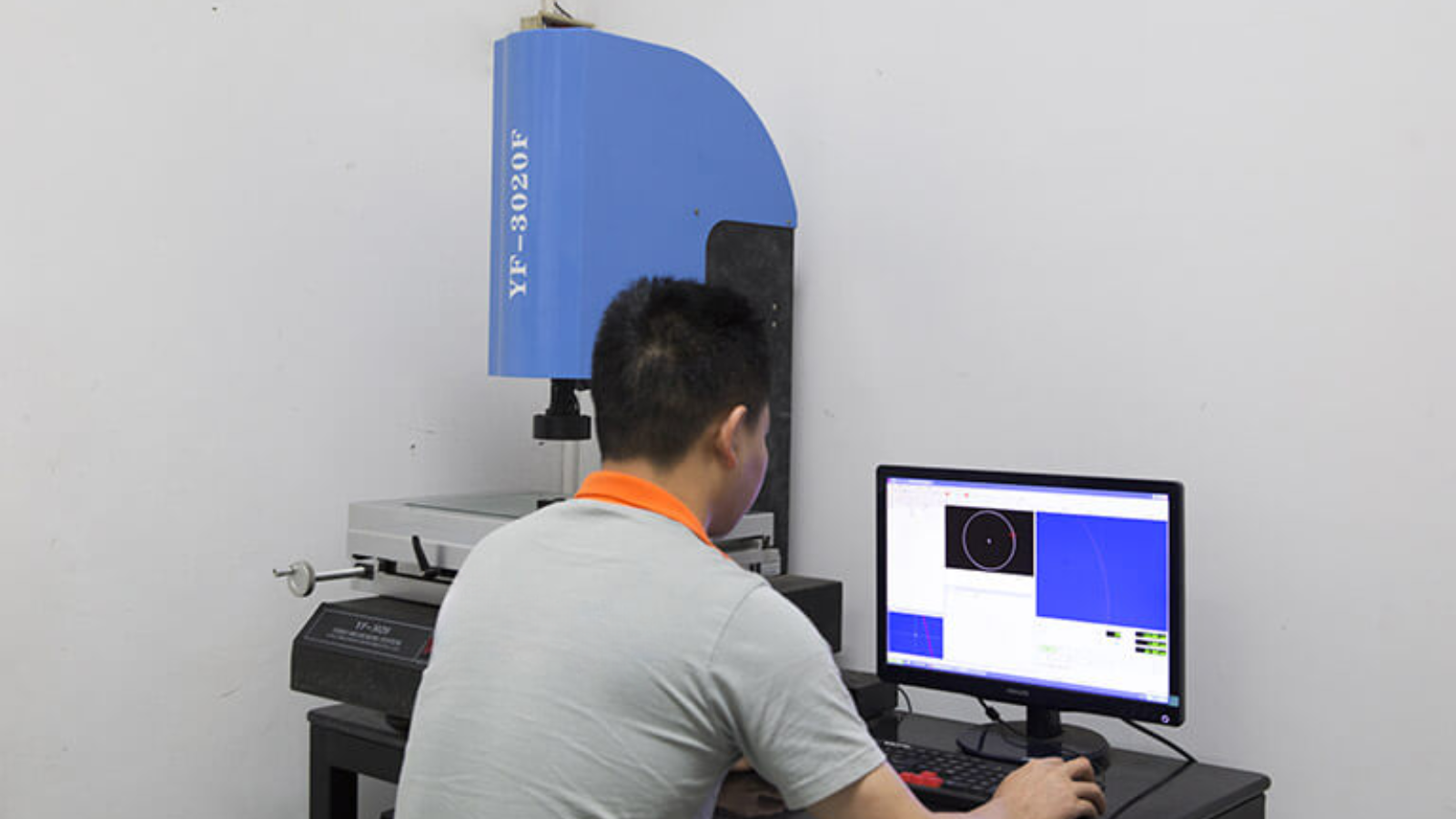
It can measure points, lines, circles, arcs, ellipses, and rectangles. It also supports multi-point positioning, combined measurement, center point measurement, intersection point measurement, midpoint construction, line construction, and circle construction.

The system offers multiple data processing, display, input, and output functions. Measurement data can be directly exported to Word, Excel, and AutoCAD for statistical analysis. In particular, its workpiece alignment function is highly practical for improving measurement accuracy and efficiency.

Cart

loading